
There’s something special about biting into a crispy french fry straight from the fryer. I still remember my first try at making homemade french fries. I had just a bag of russet potatoes and a dream of golden perfection.
As the potatoes sizzled, the kitchen filled with a delicious smell. I realized the magic was in the joy of sharing these crispy treats. This recipe is my guide to making deliciously crunchy fries that can be the highlight of any meal. Let’s start our journey to fry greatness!
Key Takeaways
- Homemade french fries can be crispier than restaurant fries.
- Choosing the right type of potato is crucial for the best texture.
- Soaking potatoes enhances their crispiness.
- Multiple frying methods exist to suit different preferences.
- Seasoning transforms plain fries into gourmet snacks.

Recipe Overview
French Fries are crispy, golden strips of potatoes that are soft and fluffy on the inside and crunchy on the outside. This classic snack or side dish can be made at home using simple ingredients and techniques. Whether deep-fried, baked, or air-fried, homemade fries offer rich flavor and satisfying texture.
Prep Time
15 minutes
Cook Time
20 minutes
Total Time
35 minutes
Servings
4 servings
Cuisine
American / Fast Food
Difficulty
Easy
Ingredients
Main Ingredients
- 4 large russet potatoes
- 4 cups vegetable oil (for frying)
- 1 teaspoon salt
Optional Seasonings
- Black pepper
- Paprika
- Garlic powder
- Parmesan cheese
- Fresh parsley
Equipment Needed
Kitchen Tools
- Knife
- Cutting board
- Large bowl
- Deep pot or fryer
- Slotted spoon or tongs
- Paper towels
Instructions
Step 1: Prepare the Potatoes
Peel the potatoes (optional) and cut them into even strips about ¼ inch thick.
Place the cut potatoes in a bowl of cold water and soak for 20–30 minutes to remove excess starch.
Step 2: Dry the Potatoes
Drain the potatoes and pat them completely dry with a clean towel or paper towels. This helps achieve crispier fries.
Step 3: Heat the Oil
Heat vegetable oil in a deep pot to 325°F (165°C).
Step 4: First Fry
Add the potatoes in batches and fry for 4–5 minutes until they are soft but not browned.
Remove the fries and let them rest on paper towels.
Step 5: Second Fry
Increase the oil temperature to 375°F (190°C).
Return the fries to the oil and fry for 2–3 minutes until golden brown and crispy.
Step 6: Season the Fries
Remove the fries from the oil and place them on paper towels.
Sprinkle with salt and any additional seasonings while still hot.
Step 7: Serve
Serve immediately while hot and crispy.
Serving Suggestions
Best Ways to Serve
French fries are best served hot with dipping sauces.
Popular Dips
- Ketchup
- Mayonnaise
- Garlic aioli
- Cheese sauce
- BBQ sauce

Introduction to French Fries
French fries are a favorite snack or side dish around the world. The debate on where they came from is between Belgium and France. Some say they started in Belgium in the late 1600s, while others believe it was France.
It doesn’t matter where they began. What’s clear is that they have evolved into many different types. These variations show off unique flavors and reflect the cultures of different places. So, fries are more than just a simple food.
Brief History of French Fries
The story of french fries is fascinating. It’s said that Belgian villagers fried potatoes in the late 1600s, when fishing was hard. This idea spread and became the french fries we know today.
The introduction of potatoes in Europe led to many fry styles. This allowed for creative twists to emerge.
Popular Variations Around the World
There are many types of fries around the globe. In Canada, poutine combines fries, cheese curds, and gravy for a filling dish. Spain’s patatas bravas adds a spicy tomato sauce twist. The Netherlands serves fries with mayo.
Each type uses local ingredients and traditions. This shows how french fries can travel the world while still being comforting.
| Country | Popular Variation | Key Ingredients |
|---|---|---|
| Canada | Poutine | Fries, cheese curds, gravy |
| Spain | Patatas Bravas | Fries, spicy tomato sauce |
| Netherlands | Friet | Fries, mayonnaise |
| Belgium | Moules frites | Fries, mussels |
Choosing the Right Potatoes
Choosing the right potatoes is key to making the best french fries. Russet potatoes stand out because of their high starch content. This makes them light and crispy, a favorite among chefs and home cooks.
Types of Potatoes for Fries
Knowing about potato varieties for frying can improve your fry-making skills. Here are some common types to consider:
- Russet Potatoes: Known for their robust starch levels, they yield a fluffy interior.
- Yukon Gold: These potatoes add a buttery flavor but may not crisp up as well as russets.
- Idaho Potatoes: Similar to russets, they offer great frying qualities with a slightly different taste.
Why Russets Are a Great Choice
Russet potatoes are often the best choice for perfect fries. Their starchy composition makes them crispy. This ensures each fry is satisfying and delicious.
In conclusion, picking the right potato is crucial for great french fries. While many varieties exist, russets are my top choice. French fry lovers will notice the difference!
| Potato Variety | Starch Content | Crispiness | Flavor |
|---|---|---|---|
| Russet | High | Very Crispy | Neutral |
| Yukon Gold | Medium | Moderately Crispy | Buttery |
| Idaho | High | Very Crispy | Slightly Sweet |
Preparing the Potatoes
Starting to prepare potatoes for fries is key to getting them just right. First, wash the potatoes well to remove dirt. You can choose to peel them or leave the skin on for extra texture. I like leaving the skin on for its flavor and crunch.
Washing and Peeling
For washing, I use cold water and a vegetable brush. This gets rid of any dirt. Whether to peel or not is up to you. Some like the skin for texture, while others prefer smooth fries.
Cutting Techniques for Perfect Fries
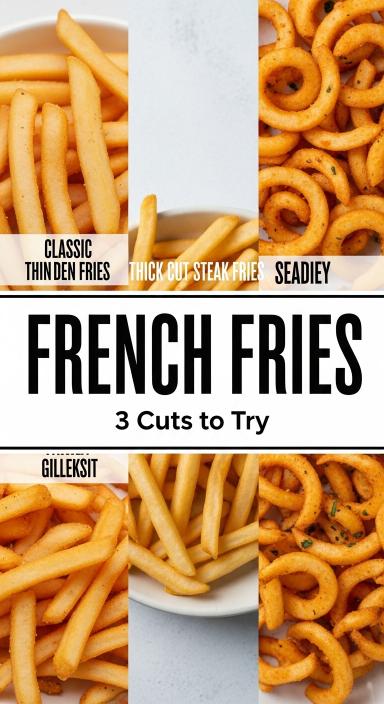
How you cut the potatoes is crucial for the fry’s quality. I cut mine to be the same size for even cooking. Thin cuts make fries crispy, while thicker ones are more filling. These tips help get the perfect texture and taste.
| Cut Type | Thickness | Tutorial Tips |
|---|---|---|
| Thin Cut | 1/4 inch | Ensure even size for crispiness |
| Thick Cut | 1/2 inch | Best for a hearty and satisfying bite |
| Julienne | 1/8 inch | Cook fast and crispy, great for garnish |
Knowing these cutting techniques will make your fries turn out great every time.
Soaking the Potatoes
Soaking potatoes for fries is a key step. By soaking the cut potatoes in cold water, I make them crisper. This method is essential for that restaurant-style finish, ensuring the fries are tasty and crunchy.
Soaking also helps the fries absorb less oil. This makes them lighter and healthier to eat.
Benefits of Soaking
Soaking potatoes for fries has many benefits:
- It removes excess starch, making the fries crisper.
- It helps the fries keep their shape when fried.
- It reduces oil absorption, making the fries lighter.
- It improves the fries’ flavor.
How Long to Soak
The soaking time for fries is crucial. I usually soak them for 30 minutes to an hour. This time lets the starch leach out and the fries firm up, resulting in great texture after frying.
Adjusting the soaking time can also lead to different results. This allows me to experiment and improve my fry-making skills.
| Soaking Time | Possible Outcomes |
|---|---|
| 30 minutes | Fried potatoes are crispy with good texture. |
| 1 hour | Fries achieve heightened crispiness and reduced greasiness. |
| Over 1 hour | May lead to overly soggy fries, so timing is critical. |

Frying Methods
There are many ways to fry fries, each with its own taste and texture. I’ve tried deep frying, air frying, and oven-baking to find the best for me. I wanted to see which method tasted good and was healthy.
Deep Frying for Crispy Texture
Deep frying makes fries crispy and golden. It involves soaking potatoes in hot oil. This makes the outside crunchy and the inside soft.
But, deep frying uses a lot of oil. So, it’s not the healthiest choice. Still, it’s great for a special treat.
Air Frying as a Healthy Alternative
Air frying is a healthier way to cook fries. It uses hot air to make fries crispy with less oil. I find air-fried fries almost as tasty as deep-fried ones.
It’s a good choice for a snack that’s not too bad for you.
Oven-Baking for Easy Preparation
Oven-baking fries is easy and uses little oil. It’s perfect for big groups because you can cook a lot at once. Oven-baked fries might not be as crispy as deep-fried ones.
Seasoning Your Fries
Seasoning fries can make a simple dish taste amazing. While salt is common, trying new flavors can be exciting. You can impress everyone with unique tastes.
Classic Salt Seasoning
Salt is the classic choice for seasoning fries. High-quality sea salt or kosher salt brings out the potato’s natural taste. It’s a simple way to enjoy fries.
Creative Seasoning Ideas
Want to try something new? Here are some great seasoning ideas:
- Garlic powder for a savory kick
- Smoked paprika to add smokiness
- Parmesan cheese for a rich flavor
- Cajun spice for heat and zest
- Ranch seasoning for a creamy twist
Exploring different flavors lets you find what you like. Mixing spices can lead to your own special blends. Here’s a table with some favorite mixes:
| Seasoning Blend | Main Ingredients | Flavor Profile |
|---|---|---|
| Garlic Parmesan | Garlic powder, Parmesan cheese, oregano | Savory, cheesy, aromatic |
| Cajun Spice | Paprika, cayenne, garlic powder | Spicy, bold, smoky |
| Ranch Blend | Dill, parsley, onion powder, garlic powder | Herbaceous, tangy, creamy |
| Sweet Heat | Cinnamon, cayenne, brown sugar | Sweet, spicy, unique |
Trying these ideas can lead to tasty discoveries. Enjoy experimenting and find your favorite flavors.
Making Flavorful Dips
Dipping sauces can make your homemade french fries even better. Ketchup is a classic, but I like to try homemade aioli for something fancy. For a spicy twist, Sriracha mayo is a great choice. Making these dips at home means you get fresh flavors that match the fries perfectly.
Ketchup: A Classic Option
Ketchup is a top pick for french fry dips. Its sweet and tangy taste goes great with crispy fries. I make my own by mixing tomato paste, vinegar, sugar, and spices. It’s easy and loved by everyone.
Garlic Aioli Recipe
This homemade aioli adds a creamy, flavorful touch to fries. Here’s how to make it:
- Combine 1 cup of mayonnaise, minced garlic, lemon juice, and a pinch of salt.
- Stir until smooth and refrigerate for at least 30 minutes.
- Serve chilled and watch it become a hit!
This aioli is great not just for fries but also for sandwiches and veggies.
Spicy Sriracha Mayo
For a spicy kick, try the Sriracha mayo. I mix a few tablespoons of Sriracha into mayonnaise. It’s a zesty sauce that balances the richness of the fries.
| Dip | Flavor Profile | Preparation Time |
|---|---|---|
| Ketchup | Sweet and tangy | 5 minutes |
| Garlic Aioli | Creamy and garlicky | 30 minutes (plus chilling) |
| Spicy Sriracha Mayo | Spicy and rich | 5 minutes |
With these dips, you can please everyone. Whether you stick with ketchup or try something fancy like aioli or Sriracha mayo, you’ll have a great fry experience.
Serving Suggestions
There are endless ways to serve french fries. A few smart pairings can make any meal unforgettable. Whether it’s a backyard barbecue or a weeknight dinner, fries can make it special.
Pairing with Burgers and Hot Dogs
Pairing fries with burgers and hot dogs is a classic. It combines flavors everyone loves. Here are some top ways to serve fries with these favorites:
- Classic cheeseburger paired with crispy golden fries
- Grilled hot dog topped with sauerkraut and seasoned fries
- Bacon burger alongside loaded chili cheese fries
Incorporating into Salads
Fries can also be part of salads. This adds a nice crunch and makes salads more filling. Here are some ideas to try:
- Caesar salad with crispy fries instead of croutons
- Greek salad with seasoned sweet potato fries
- Mixed greens with fries and balsamic dressing
| Meal Type | Fries Pairing | Creative Use |
|---|---|---|
| Burgers | Classic fries | Fries in a burger bun |
| Hot Dogs | Loaded fries | Chili fries topping |
| Salads | Sweet potato fries | Fries in mixed greens |
These ideas can wow your guests and add fun to meals. The beauty of serving french fries is in their versatility and creativity.
Common Mistakes to Avoid
When making French fries, it’s important to avoid some common mistakes. The right ingredients and technique are key to perfect fries. Some errors can really affect the outcome, but knowing them can help a lot.
Overcrowding the Fryer
One big mistake is putting too many fries in the fryer at once. This lowers the oil’s temperature. As a result, the fries become soggy instead of crispy.
Frying in batches is essential. It ensures the fries cook evenly. This way, they turn out golden brown and delicious.
Not Drying the Potatoes Properly
Another mistake is not drying the potatoes well after soaking. Too much moisture can lower the oil’s temperature. This makes the fries less crispy.
I always pat the potatoes dry with a clean towel after soaking. This removes excess water. Following these tips can make your fries crispy and tasty.
| Mistake | Effect | Solution |
|---|---|---|
| Overcrowding the fryer | Soggy fries | Fry in small batches |
| Not drying the potatoes properly | Less crispy texture | Thoroughly pat dry after soaking |
Storing Leftover Fries
If I have leftover fries, it’s key to store them right to keep their taste. Storing french fries properly can greatly improve their flavor when reheated. Here’s how to do it.
Best Practices for Refrigeration
First, I let the fries cool down completely before storing. Once they’re cool, I put them in an airtight container. This stops them from getting soggy due to moisture.
To keep them dry, I place a paper towel at the bottom of the container. It absorbs any extra moisture.
Reheating Techniques
When reheating fries, I avoid the microwave to prevent them from getting soggy. Instead, I use the oven or air fryer. Both methods bring back that crispy texture I love.
To reheat in the oven, preheat it to 400°F (200°C). Spread the fries on a baking sheet and heat for 10-15 minutes, flipping them halfway. For the air fryer, a quick 3-5 minutes at the same temperature works well.
This simple method for storing and reheating fries makes leftovers almost as tasty as fresh ones. With the right steps, I can enjoy delicious fries even days after cooking them!
Conclusion and Final Tips
In wrapping up this french fries recap, I want to share the key steps for making delicious fries. Choosing the right potatoes and the perfect frying technique are crucial. Each step is important for that golden, crispy delight.
Remember to soak the potatoes well and don’t overcrowd the fryer. These tips will help you succeed. You’ll have a solid base for making great fries.
But don’t just stop there—try new things with your fries. Add different spices, herbs, or even cheese to make them special. You could also try unique dips or different cooking methods like air frying or oven-baking.
The fun of making french fries is making them your own. So, don’t be afraid to get creative!
I hope this journey into french fries has inspired you. Whether you stick to the classics or try new things, there’s always something new to discover. Enjoy this beloved comfort food in exciting ways!