There’s something magical about a dish that warms your soul on a chilly evening. For me, that dish is a classic French Alpine creation I discovered during a trip to the mountains. It’s hearty, indulgent, and packed with flavors that feel like a cozy hug. Today, I’m excited to share my journey with this beloved comfort food.
This dish is a celebration of simple yet rich ingredients. Imagine tender potatoes, crispy bacon, and gooey cheese coming together in perfect harmony. It’s a meal that’s as satisfying to make as it is to eat. Whether you’re cooking for family or friends, it’s guaranteed to impress.
In this post, I’ll walk you through everything you need to know—from its origins to my personal tips for perfecting it. Whether you’re a seasoned cook or just starting out, this guide is designed to make the process easy and enjoyable. Let’s dive in and create something unforgettable!

Key Takeaways
- Discover the origins of this classic French Alpine dish.
- Learn how to use potatoes, cheese, and bacon for maximum flavor.
- Get tips for making the dish both authentic and easy to prepare.
- Understand why this meal is perfect for cozy gatherings.
- Explore ways to add your own twist to the recipe.
Recipe Overview
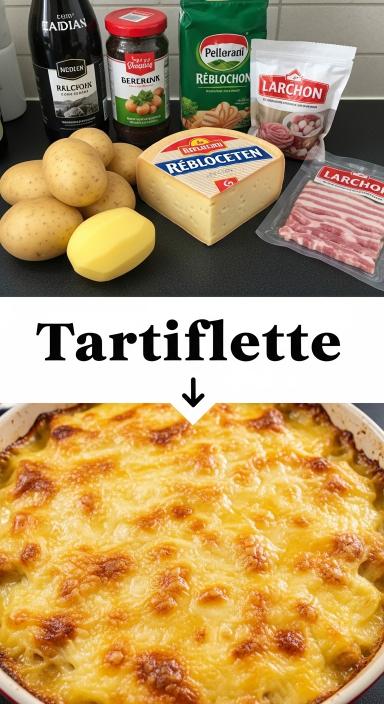
Tartiflette is a rich and comforting French dish made with potatoes, bacon (lardons), onions, cream, and melted Reblochon cheese. Originating from the French Alps, this hearty casserole is known for its creamy texture and deep, savory flavor. Tartiflette is perfect for cold weather meals, cozy dinners, or when you want an indulgent potato dish.
Prep Time
15 minutes
Cook Time
35 minutes
Total Time
50 minutes
Servings
4 servings
Cuisine
French
Difficulty
Medium
Ingredients
Main Ingredients
- 2 pounds potatoes (Yukon Gold or similar), peeled and sliced
- 6 ounces bacon or lardons, diced
- 1 small onion, thinly sliced
- 1 cup heavy cream
- ½ cup dry white wine (optional)
- 1 clove garlic, minced
- 1 teaspoon salt
- ½ teaspoon black pepper
Cheese
- 1 wheel Reblochon cheese (about 8 ounces), halved horizontally
Equipment Needed
Kitchen Tools
- Large skillet
- Pot for boiling potatoes
- Baking dish
- Knife and cutting board
- Wooden spoon
- Oven mitts
Instructions
Step 1: Preheat the Oven
Preheat your oven to 375°F (190°C).
Step 2: Cook the Potatoes
Bring a large pot of salted water to a boil. Add the sliced potatoes and cook for 8–10 minutes until just tender but not fully soft.
Drain and set aside.
Step 3: Cook the Bacon and Onion
In a large skillet cook the diced bacon over medium heat until crispy.
Add the sliced onion and cook for 3–4 minutes until softened.
Add the garlic and cook for another 1 minute until fragrant.
Step 4: Add Wine and Cream
Pour in the white wine (if using) and let it simmer for 2–3 minutes to reduce slightly.
Add the heavy cream, salt, and black pepper. Stir to combine and simmer for 2–3 minutes.
Step 5: Assemble the Dish
Lightly grease a baking dish.
Layer half of the cooked potatoes in the dish. Spoon half of the bacon and cream mixture over the potatoes.
Add the remaining potatoes and top with the rest of the mixture.
Step 6: Add the Cheese
Place the halved Reblochon cheese on top of the dish, cut side facing down.
Step 7: Bake the Tartiflette
Bake in the preheated oven for 20–25 minutes until the cheese is melted, bubbly, and slightly golden.
Step 8: Serve
Allow the dish to cool for a few minutes before serving. Serve warm.
Serving Suggestions
Best Ways to Serve
Tartiflette is best served hot as a main dish.
Side Dish Ideas
It pairs well with:
- A simple green salad
- Crusty French bread
- Pickles or cornichons
Pro Tips
Use Waxy Potatoes
Waxy potatoes hold their shape better and prevent the dish from becoming mushy.
Substitute Cheese if Needed
If Reblochon is unavailable, use Brie, Camembert, or a mild washed-rind cheese.
Do Not Overcook Potatoes
Parboil just until slightly tender to avoid overly soft layers after baking.

Origin and History of Tartiflette
The story of this dish begins in the snowy peaks of the French Alps, where hearty meals were a necessity. Originally a variation of the Savoyard dish “pela des Aravis,” it was created to sustain farmers and workers in the harsh mountain climate. Over time, it evolved into a beloved comfort food, cherished for its simplicity and rich flavors.
From the French Alps to Modern Kitchens
In the 1980s, a clever marketing campaign helped popularize this dish beyond the Alps. The goal was to boost sales of Reblochon cheese, a key ingredient. The campaign succeeded, and the dish quickly became a staple in French households and restaurants. Today, it’s enjoyed worldwide, with modern kitchens adding their own twists to the classic recipe.
Debunking the Reblochon Myth
While Reblochon cheese is often associated with this dish, it’s not the only option. Farmers in the Savoie region have long used other cheeses, proving that the dish is adaptable. Quality ingredients and French culinary traditions remain at its core, ensuring every bite is a celebration of flavor.
| Milestone | Details |
|---|---|
| Origins | Created in the French Alps as a variation of “pela des Aravis.” |
| 1980s Campaign | Marketing efforts boosted Reblochon cheese sales and popularized the dish. |
| Modern Adaptations | Chefs worldwide have added creative twists while staying true to its roots. |
Understanding the Key Ingredients
The foundation of any great dish lies in its ingredients, and this one is no exception. Each component plays a vital role in creating a harmonious blend of flavors and textures. Let’s break down the essentials and how to choose them wisely.
Choosing the Right Potatoes and Bacon
Potatoes are the backbone of this dish, and selecting the right variety is crucial. I recommend using Yukon Gold for their buttery texture and ability to hold shape during cooking. Par-boiling them in generously salted water ensures they’re tender and evenly cooked.
Bacon adds a smoky richness that’s hard to resist. Opt for quality bacon cut into lardons, as they render the perfect fat for sautéing. A well-caramelized onion enhances the flavor profile, adding a touch of sweetness to balance the dish.
Exploring Cheese Options: Reblochon and Alternatives
Cheese is the star of the show, and while Reblochon is traditional, there are plenty of alternatives. Its creamy, nutty flavor melts beautifully, but if it’s unavailable, try Brie, Camembert, or even Gruyère. Each brings its own unique twist to the dish.
To create a rich, indulgent sauce, mix cream with the other ingredients. This adds a luxurious texture that ties everything together. Season carefully with herbs like thyme to keep the flavors balanced and harmonious.
| Ingredient | Tips for Selection |
|---|---|
| Potatoes | Use Yukon Gold for their buttery texture and ability to hold shape. |
| Bacon | Choose quality bacon cut into lardons for perfect fat rendering. |
| Cheese | Reblochon is traditional, but Brie or Gruyère work as substitutes. |
| Cream | Mix with other ingredients for a rich, indulgent sauce. |
Authentic tartiflette Recipe
Perfecting a classic dish requires attention to every step. From prepping the ingredients to the final bake, each stage plays a crucial role in achieving the perfect balance of flavors and textures. Let’s dive into the process of creating this hearty dish.
Pre-cooking Techniques for Perfect Potatoes
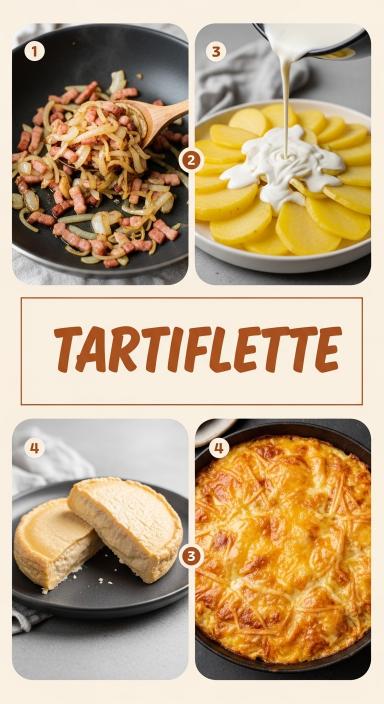
Start by par-boiling the potatoes in salted water infused with thyme. This ensures they’re tender and evenly cooked. Boil them for about 25 minutes, then drain and let them cool slightly. This step is essential for achieving the right texture in the final dish.
Layering Flavors with Bacon, Onion, and White Wine
Next, render the bacon fat in a cast-iron skillet. Once the bacon is crispy, remove it and use the rendered fat to sauté finely chopped onions until they’re soft and caramelized. Deglaze the pan with a splash of white wine, scraping up all the savory bits left behind. This step adds depth to the dish.
Baking for a Golden, Bubbling Finish
Layer the par-boiled potatoes, cooked bacon, and caramelized onions in a baking dish. Season each layer with salt, pepper, and a touch of thyme. Arrange thick slices of your chosen cheese on top, with the rind facing up. Bake at 375°F for about 40 minutes, or until the cheese is golden and bubbling.
| Baking Tips | Details |
|---|---|
| Oven Rack Position | Place the dish in the center of the oven for even heat distribution. |
| Temperature | Bake at 375°F for a golden, bubbling finish. |
| Cheese Placement | Arrange slices with the rind facing up for a beautifully melted top. |
This method ensures a dish with rich flavor layers and the ideal mix of textures. Serve it hot and enjoy the comforting warmth it brings to your table.

Creative Twists and Variations
Exploring new flavors can breathe fresh life into a classic dish. While the traditional version is undeniably delicious, experimenting with ingredients can lead to exciting results. Whether you’re looking to switch up the cheese or adapt the recipe for dietary needs, there’s plenty of room for creativity.
Alternative Cheeses and Ingredient Substitutions
Reblochon is the classic choice, but other cheeses can add their own unique flair. Brie and Camembert bring a creamy richness, while Taleggio offers a tangy twist. For a sharper flavor, try Gruyère or even a smoked Gouda. Each option changes the dish subtly, keeping it fresh and exciting.
For the cream, sour cream or crème fraîche can replace traditional heavy cream. These alternatives add a slight tang and richness that complements the other ingredients. A splash of dry white wine can also enhance the sauce, adding depth and a hint of acidity.
Adapting the Recipe for Dietary Preferences
Vegetarian versions of this dish are just as satisfying. Replace bacon with sautéed mushrooms or leeks for a hearty, meat-free option. For a lighter version, use low-fat cream or skip it altogether, relying on the natural creaminess of the cheese.
These adaptations allow for a greater variety while keeping the essence of the dish intact. Don’t be afraid to experiment and find your personal favorite combination.
| Cheese Alternative | Flavor Profile |
|---|---|
| Brie | Creamy, mild, and buttery |
| Camembert | Rich and earthy |
| Taleggio | Tangy and slightly pungent |
| Gruyère | Nutty and slightly sweet |
Pairing and Serving Suggestions
When it comes to serving a rich and indulgent dish, balance is key. The creamy, savory flavors of this hearty meal are best complemented by fresh, crisp sides. Here are my top tips for creating a well-rounded dining experience.
Fresh Salads to Cut Through Richness
A lightly dressed green salad is the perfect side to balance the dish’s richness. Toss together mixed greens, cherry tomatoes, and a simple vinaigrette. Season it at the right time to keep the flavors vibrant.
For a quick and easy option, try roasted Brussels sprouts. Their slight bitterness pairs beautifully with the creamy cheese and smoky bacon. Another favorite is a mix of arugula and shaved Parmesan, dressed with lemon juice and olive oil.
Wine Pairings to Elevate the Meal
Pairing this dish with a glass of dry white wine enhances its French origins. A crisp Sauvignon Blanc or a light Chardonnay works wonders. The acidity in the wine cuts through the richness, creating a harmonious balance.
“A well-chosen wine can transform a meal from good to unforgettable.”
Quick Sides for Busy Days
On a busy day, opt for simple sides that don’t take much time to prepare. A mix of roasted vegetables or a quick vinaigrette-dressed salad can be ready in minutes. These options ensure you spend less time in the kitchen and more time enjoying your meal.
| Side Dish | Preparation Time |
|---|---|
| Green Salad | 5 minutes |
| Roasted Brussels Sprouts | 20 minutes |
| Arugula and Parmesan Mix | 10 minutes |
Plating is just as important as the food itself. Arrange the dish with care, ensuring each serving is visually appealing. A well-presented meal enhances the overall dining experience, making it even more enjoyable.
This hearty dish is ideal for a cold day when comfort food is especially welcome. Pair it with the right sides and a glass of wine, and you’ve got a meal that’s both satisfying and memorable.

Essential Cooking Tools and Equipment
Having the right tools in your kitchen can make all the difference in creating a perfect dish. Whether you’re a seasoned cook or just starting out, using the proper equipment ensures a smooth and enjoyable cooking process. Let’s explore the must-have utensils that will help you achieve the best results.
Must-Have Kitchen Utensils for Optimal Results
Start with a high-quality pan or skillet. A 10-inch cast iron skillet is ideal for rendering bacon fat and sautéing onions evenly. Its ability to retain heat ensures consistent cooking, which is crucial for layering flavors.
For par-boiling potatoes, a large pot is essential. Boiling them in salted water ensures they’re tender and evenly cooked. This step is key to achieving the right texture in the final dish.
A reliable oven is another must. Consistent heat is vital for baking the dish to a golden, bubbling finish. Place your gratin dish in the center of the oven for even cooking.
- Chef’s Knife: A sharp knife ensures clean, precise cuts for ingredients like potatoes and bacon.
- Digital Thermometer: Monitor internal temperatures to avoid undercooking or overcooking.
- Gratin Dish: A dedicated dish ensures the layers are evenly distributed and beautifully presented..
Organizing your tools can also streamline the cooking process. Keep your pan, skillet, and pot within easy reach. This setup saves time and reduces stress, especially in a busy kitchen.
Using the right equipment not only enhances the cooking experience but also ensures the final dish is as delicious as it looks. With these tools, you’re well on your way to creating a meal that’s both satisfying and memorable.
Conclusion
Cooking this dish is like bringing a piece of France into your kitchen. From selecting the best cheese to perfectly layering potatoes and bacon, every step is a celebration of flavor and tradition. Attention to detail, like seasoning with salt and pepper, ensures a restaurant-worthy result.
While the classic version is comforting, don’t be afraid to experiment. Try different cheeses or add your own twist. The beauty of this dish lies in its adaptability, yet it always stays true to its roots.
Whether you’re cooking for family or friends, this dish brings warmth and joy to the table. I encourage you to make it your own and share your experiences. Enjoy the process, savor every bite, and let this dish become a cherished part of your kitchen repertoire.