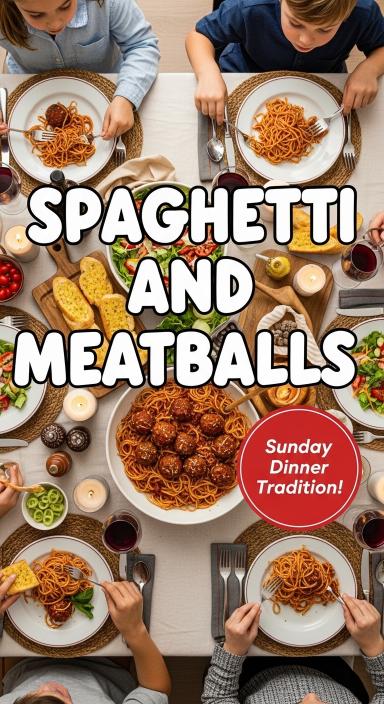
There’s something magical about a plate of tender meatballs nestled in rich, flavorful sauce, served over perfectly cooked spaghetti. For me, this dish is more than just food—it’s a warm hug on a busy weeknight. Over the years, I’ve refined my recipe to make it both quick and family-friendly, with a cook time of just 45 minutes.
My secret? Baking the meatballs on a sheet pan. This method ensures they’re evenly cooked and frees up time to simmer the marinara sauce to perfection. I also swear by high-quality spaghetti and imported Parmigiano-Reggiano to elevate the dish. These small touches make a big difference.
This recipe has become a staple in my kitchen, and it’s tied to countless family memories. Whether it’s a cozy dinner or a last-minute meal, it never fails to bring everyone together. I’m excited to share my tips and tricks so you can make it your own.
Key Takeaways
- Baking meatballs ensures even cooking and saves time.
- Simmering the sauce enhances its flavor.
- High-quality ingredients like Parmigiano-Reggiano elevate the dish.
- This recipe is perfect for quick, family-friendly meals.
- It’s a versatile dish that can be customized to your taste.

Recipe Overview
Spaghetti and Meatballs is a classic Italian-American dish featuring tender, flavorful meatballs served over a bed of spaghetti pasta and topped with a rich tomato sauce. This comforting meal is perfect for family dinners, gatherings, or a hearty weekend meal. The combination of savory meatballs, tangy marinara sauce, and perfectly cooked pasta creates a satisfying and timeless favorite.
Prep Time
20 minutes
Cook Time
35 minutes
Total Time
55 minutes
Servings
4 servings
Cuisine
Italian-American
Difficulty
Medium
Ingredients
For the Meatballs
- 1 pound ground beef
- ½ pound ground pork (optional)
- ½ cup breadcrumbs
- ¼ cup milk
- 1 large egg
- ¼ cup grated Parmesan cheese
- 2 cloves garlic, minced
- 2 tablespoons fresh parsley, chopped
- ½ teaspoon salt
- ½ teaspoon black pepper
- 2 tablespoons olive oil (for frying)
For the Sauce
- 2 tablespoons olive oil
- 1 small onion, finely chopped
- 3 cloves garlic, minced
- 1 can (28 ounces) crushed tomatoes
- 1 teaspoon dried oregano
- 1 teaspoon dried basil
- ½ teaspoon salt
- ½ teaspoon black pepper
- 1 teaspoon sugar (optional)
For the Pasta
- 12 ounces spaghetti
- Salt for boiling water
Garnish
- Grated Parmesan cheese
- Fresh basil or parsley
Equipment Needed
Kitchen Tools
- Large mixing bowl
- Large skillet or saucepan
- Pot for boiling pasta
- Wooden spoon or spatula
- Colander
- Measuring cups and spoons
Instructions
Step 1: Prepare the Meatball Mixture
In a small bowl combine breadcrumbs and milk. Let the mixture sit for 3–5 minutes until softened.
In a large bowl combine the ground beef, ground pork, soaked breadcrumbs, egg, Parmesan cheese, garlic, parsley, salt, and black pepper.
Mix gently until all ingredients are well combined.
Step 2: Shape the Meatballs
Roll the mixture into 1½-inch meatballs and place them on a plate or tray.
Step 3: Cook the Meatballs
Heat olive oil in a large skillet over medium heat. Add the meatballs and cook for 6–8 minutes, turning occasionally until browned on all sides.
Remove the meatballs and set aside.
Step 4: Prepare the Sauce
In the same skillet heat olive oil over medium heat. Add the chopped onion and cook for 3–4 minutes until softened.
Add the garlic and cook for 1 minute until fragrant.
Stir in crushed tomatoes, oregano, basil, salt, pepper, and sugar. Simmer the sauce for 10–15 minutes.
Step 5: Simmer the Meatballs
Return the meatballs to the skillet with the sauce. Cover and simmer for 10–12 minutes until the meatballs are fully cooked and tender.
Step 6: Cook the Spaghetti
Meanwhile bring a large pot of salted water to a boil. Add the spaghetti and cook according to package instructions until al dente.
Drain the pasta using a colander.
Step 7: Combine and Serve
Place the cooked spaghetti on serving plates. Top with meatballs and tomato sauce.
Garnish with grated Parmesan cheese and fresh basil or parsley.
Serving Suggestions
Best Ways to Serve
Serve spaghetti and meatballs with warm garlic bread or crusty Italian bread.
Side Dish Ideas
This dish pairs well with:
- Caesar salad
- Roasted vegetables
- Steamed broccoli
- Caprese salad
Pro Tips
Do Not Overmix the Meat
Mix the meatball ingredients gently to keep the meatballs tender.
Brown the Meatballs First
Browning the meatballs adds deeper flavor to the dish.
Let the Sauce Simmer
Allowing the sauce to simmer helps develop a richer taste.

Introduction: My Journey to the Perfect Spaghetti and Meatballs
Perfecting this dish has been a journey filled with trial, error, and a lot of delicious experiments. It all started with a simple goal: to create a meal that’s both quick and satisfying for busy weeknights. Over time, I’ve learned that the secret lies in the details—like choosing the right blend of ground beef and seasonings.
One of my biggest breakthroughs was discovering how to balance flavors. I experimented with different ratios of meat and spices until I found the perfect mix. Using high-quality ground beef and fresh herbs made all the difference. It’s amazing how small tweaks can transform a good dish into something extraordinary.
This recipe isn’t just about the food—it’s about the memories it creates. From family dinners to impromptu gatherings, it’s become a staple in my home. I’ve also learned that cooking techniques matter. Baking the meatballs, for example, ensures they’re evenly cooked and saves time.
In the next sections, I’ll share everything I’ve learned—from selecting ingredients to perfecting the final presentation. Whether you’re a seasoned cook or just starting out, these tips will help you create a dish that’s both delicious and memorable.
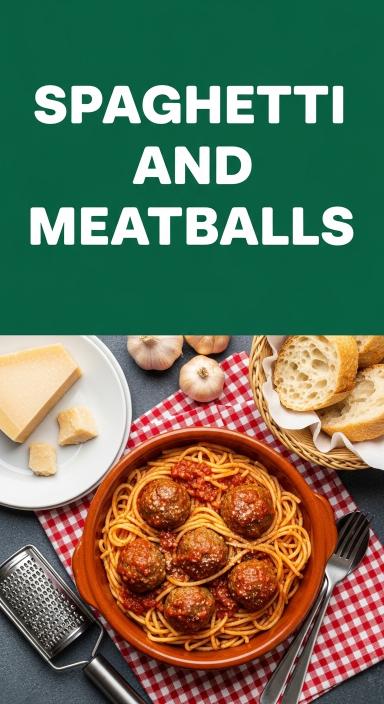
Ingredients Overview
Crafting the perfect dish starts with the right ingredients, and I’ve learned that quality is key. Whether it’s the meat blend for the meatballs or the sauce that ties everything together, each component plays a crucial role. Here’s a detailed breakdown of what you’ll need to create this flavorful meal.
Ingredients for the Meatballs
The meatballs are the heart of this dish, and the right blend of meats makes all the difference. I recommend using equal parts ground beef, pork, and veal for the perfect texture and flavor. Here’s what you’ll need:
- 1/2 pound ground beef
- 1/2 pound ground pork
- 1/2 pound ground veal
- 1/2 cup breadcrumbs
- 1/4 cup grated Parmigiano-Reggiano
- 1 egg
- 1 teaspoon salt
- 1/2 teaspoon black pepper
- 1 teaspoon dried oregano
Using genuine Parmigiano-Reggiano adds a rich, nutty flavor that elevates the dish. Fresh herbs and spices like oregano and pepper enhance the overall taste.
Ingredients for the Marinara Sauce
The sauce is what brings everything together, and you have the option to make it from scratch or use a high-quality store-bought version. Here’s what I use for a homemade marinara:
- 2 tablespoons olive oil
- 1 onion, finely chopped
- 3 garlic cloves, minced
- 28 ounces canned tomatoes
- 1 teaspoon sugar
- 1 teaspoon salt
- 1/2 teaspoon black pepper
- 1 teaspoon dried basil
Simmering the sauce allows the flavors to meld beautifully. If you’re short on time, a good store-bought marinara can work just as well.
| Ingredient | Quantity | Purpose |
|---|---|---|
| Ground beef | 1/2 pound | Base for meatballs |
| Ground pork | 1/2 pound | Adds richness |
| Ground veal | 1/2 pound | Enhances texture |
| Parmigiano-Reggiano | 1/4 cup | Adds depth of flavor |
| Black pepper | 1/2 teaspoon | Balances seasoning |
| Canned tomatoes | 28 ounces | Base for marinara |
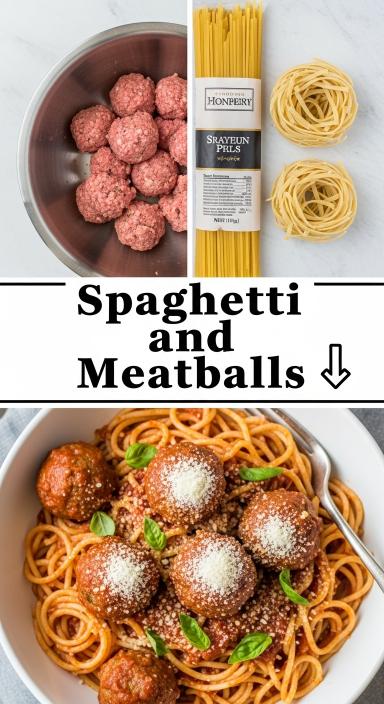
How I Prepare the Meatballs
The key to perfect meatballs lies in how you mix, shape, and cook them. Over the years, I’ve developed a method that ensures they’re tender, flavorful, and evenly cooked every time. Let me walk you through my process.
Mixing and Forming the Meat Mixture
Start by combining all the ingredients in a large bowl. I use a mix of ground beef, pork, and veal for the best texture. Add breadcrumbs, grated cheese, an egg, and seasonings like salt, pepper, and oregano. Mix gently with your hands to avoid overworking the meat, which can make it tough.
The egg acts as a binder, while the cheese adds richness. Fresh herbs bring a burst of flavor. Once the mixture is ready, shape it into evenly sized balls. This ensures they cook at the same rate.
Baking vs. Pan-Frying Techniques
I prefer baking the meatballs on a sheet pan. It’s hands-off and ensures they’re evenly cooked without the need for constant flipping. Preheat your oven to 400°F and bake for about 20 minutes, or until golden brown.
Pan-frying is another option. Heat a bit of oil in a skillet and cook the meatballs until they’re browned on all sides. This method gives them a crispy exterior but requires more attention.
Both techniques work well, so choose based on your preference. Baking is quicker and cleaner, while pan-frying adds a bit more texture. Either way, the goal is a golden-brown exterior with a moist, tender inside.
- Mix ingredients gently to keep the meatballs tender.
- Shape evenly for consistent cooking.
- Baking is hands-off and ensures even cooking.
- Pan-frying adds a crispy texture.
- Achieve a golden-brown exterior while keeping the inside moist.

Simmering the Sauce to Perfection
Simmering the sauce is where the magic happens, transforming simple ingredients into something extraordinary. The process allows flavors to meld, creating a rich, balanced marinara that ties the dish together. Whether you choose store-bought or homemade, the key is patience and attention to detail.
Choosing Between Store-Bought and Homemade Sauce
Deciding between store-bought and homemade sauce depends on your time and preference. A high-quality store-bought option can save time, but homemade allows for full control over flavors. For homemade, I start with fresh tomatoes, garlic, and basil. A pinch of sugar balances the acidity, while a gentle stir with my hand ensures even cooking.
Here’s a quick comparison to help you decide:
| Type | Pros | Cons |
|---|---|---|
| Store-Bought | Quick, convenient, consistent flavor | May contain preservatives, less customizable |
| Homemade | Fresh, customizable, no additives | Requires more time and effort |
Temperature and Timing Tips
Simmering requires low heat to prevent burning and maintain the sauce’s rich consistency. I keep the temperature between 180°F and 200°F, stirring occasionally with my hand to avoid breaking the meatballs. This gentle approach enhances the sauce’s texture and integrates the flavors beautifully.
Here are my top tips for perfect simmering:
- Use fresh tomatoes and basil for a vibrant flavor profile.
- Simmer for at least 30 minutes to allow flavors to meld.
- Stir gently to avoid breaking the meatballs.
- Adjust seasoning as needed before serving.
By following these steps, you’ll create a sauce that complements the dish perfectly. Whether you’re short on time or prefer a hands-on approach, the result will be a flavorful, satisfying meal.

How I Cook the Spaghetti
Cooking pasta to perfection is an art that requires precision and attention to detail. The right texture can make or break a dish, and I’ve spent years perfecting my method. Here’s how I ensure my pasta is always cooked to an ideal al dente finish.
Achieving the Ideal Al Dente Texture
Start by bringing a large pot of salted water to a rolling boil. The salt enhances the pasta’s flavor, so don’t skip this step. Add the pasta and stir occasionally to prevent sticking. Timing is crucial—cook it for about 8-10 minutes, but always check the package instructions for guidance.
To test for doneness, I bite into a strand. It should be firm to the bite but not crunchy. Overcooking can ruin the texture, so I keep a close eye on the time. Once done, I reserve a cup of the starchy pasta water before draining. This water helps bind the sauce to the pasta later.
After draining, I toss the pasta with a light drizzle of olive oil to prevent clumping. For an aromatic finish, I sprinkle freshly chopped parsley over the top. This simple step adds a burst of freshness and enhances the overall flavor.
Here are my top tips for perfect pasta every time:
- Use a large pot of salted water to ensure even cooking.
- Stir occasionally to prevent sticking.
- Test for doneness by biting into a strand.
- Reserve pasta water to help bind the sauce.
- Finish with olive oil and parsley for added flavor.
By following these steps, you’ll achieve pasta that’s firm, flavorful, and ready to pair with any sauce. It’s a simple process, but the results are worth the effort.
How I Perfect the spaghetti and meatballs Recipe
The final touches are where the dish truly comes to life, turning good into great. It’s all about balancing flavors and fine-tuning every detail. Over time, I’ve learned that small adjustments can make a big difference. Here’s how I ensure every bite is unforgettable.
Balancing Flavors and Seasonings
Seasoning is the heart of any great dish. I always taste as I go, adding a pinch of salt or a dash of sugar to balance the flavors. Fresh herbs like basil and oregano bring brightness, while a splash of oil adds richness. These tweaks ensure the dish is perfectly seasoned every time.
I also adjust cooking methods based on the dish’s needs. For example, using a well-heated pot ensures even cooking, while a sheet pan helps achieve consistent results. These techniques prevent dryness and keep the dish moist and flavorful.
Here are my top tips for perfecting the dish:
- Taste and adjust seasonings as you cook.
- Use fresh herbs for a vibrant flavor profile.
- Add a splash of oil to enhance richness.
- Ensure your pot is well-heated for even cooking.
- Use a sheet pan for consistent results.
These adjustments make the dish uniquely perfect for every family dinner. It’s the little details that turn a simple meal into something extraordinary.
Variations and Substitutions
Exploring creative twists on a classic dish can open up a world of flavor possibilities. Whether you’re catering to dietary needs or simply looking to experiment, there are plenty of ways to make this recipe your own. Here’s how I adapt it to suit different tastes and preferences.
Alternative Meats and Gluten-Free Options
For a leaner option, I often substitute ground turkey or chicken in place of traditional meats. These alternatives are lighter but still pack plenty of flavor when seasoned well. To bind the mixture, I use gluten-free breadcrumbs or almond flour, which work just as effectively.
Gluten-free pasta is another great swap for those with dietary restrictions. Brands like Barilla or Jovial offer excellent options that cook to a perfect al dente texture. Simply follow the package instructions, and you’ll have a dish that’s just as satisfying as the original.
Adjustments for Unique Taste Profiles
Seasoning is where you can really get creative. I love adding a clove garlic or two for extra depth, or a pinch of red pepper flakes for a hint of heat. Fresh herbs like basil or parsley can brighten up the dish, while a splash of balsamic vinegar adds a tangy twist.
When cooking, I adjust the heat depending on the method. For example, I use medium heat when simmering the sauce to prevent burning. If I’m using a pan to brown the meatballs, I keep the temperature steady to ensure even cooking.
Here are some quick tips for substitutions:
- Use ground turkey or chicken for a leaner option.
- Swap traditional breadcrumbs for gluten-free alternatives.
- Experiment with fresh herbs and spices for unique flavors.
- Adjust heat levels to suit your cooking method.
- Try different sauces, like pesto or arrabbiata, for a new twist.
These changes make the dish versatile and accessible, ensuring everyone can enjoy it. Whether you’re cooking for a crowd or just for yourself, these variations are sure to impress.
Serving Suggestions and Presentation
A beautifully presented dish is just as important as its taste, and I’ve learned that the right garnishes can elevate any meal. When it comes to serving, I focus on creating a visual appeal that matches the rich flavors. Here’s how I make every plate look as good as it tastes.
Garnishing with Fresh Herbs and Cheese
Fresh herbs and cheese are my go-to garnishes. I sprinkle freshly chopped parsley or basil over the top for a pop of color and flavor. A generous dusting of grated Parmigiano-Reggiano adds a rich, nutty finish. For a touch of elegance, I drizzle a bit of olive oil over the dish.
I also love adding a pinch of red pepper flakes for a hint of heat. These small touches not only enhance the taste but also make the dish look more inviting. Balancing visual appeal with flavor is key to creating a memorable dining experience.
Family-Style Presentation Ideas
For family dinners, I serve the dish in a large, shallow bowl. This allows everyone to help themselves while keeping the presentation intact. I arrange the meatballs on top of the pasta and spoon the sauce over them. A side of garlic bread or a simple salad complements the meal perfectly.
Here are my top tips for a stunning presentation:
- Use fresh herbs like parsley or basil for a vibrant touch.
- Sprinkle grated cheese generously for added richness.
- Drizzle olive oil for a glossy finish.
- Serve in a large bowl for a family-style feel.
- Pair with garlic bread or a fresh salad for a complete meal.
Presentation should be as heartfelt and inviting as the flavors in the recipe. With these tips, you can turn a simple dish into a feast for the eyes and the palate.
Nutritional Insights and Storage Tips
Understanding the nutritional value of a dish helps you make informed choices for your meals. This section breaks down the calorie count and offers practical tips for storing and reheating leftovers. Whether you’re meal prepping or planning for a busy week, these insights will make your life easier.
Nutritional Breakdown per Serving
Each serving of this dish provides a balanced mix of nutrients. On average, you’ll get around 450 calories, 20g of fat, 35g of carbohydrates, and 25g of protein. The parmesan adds a rich flavor while contributing calcium and protein. Using lean chicken instead of beef can reduce the fat content without sacrificing taste.
Here’s a quick overview of the nutritional profile:
- Calories: 450 per serving
- Fat: 20g
- Carbohydrates: 35g
- Protein: 25g
For a healthier twist, consider reducing the amount of cheese or using whole-grain pasta. These small changes can make a big difference in your overall diet.
Freezer-Friendly Storage and Reheating
This dish is perfect for meal prep because it freezes well. To store leftovers, let the dish cool completely before transferring it to an airtight container. It stays fresh in the freezer for up to 3 months. When reheating, add a splash of water to the pan to prevent drying out.
Here are my top tips for storing and reheating:
- Use airtight containers to maintain freshness.
- Label containers with the date to track storage time.
- Reheat on medium heat to retain texture and flavor.
- Add a bit of water or broth when reheating to keep it moist.
By following these steps, you can enjoy this dish anytime without compromising on taste or quality.
Preparing meals in advance saves time and ensures you always have a delicious option on hand. Whether you’re cooking for one or a family, these tips make it easy to enjoy this dish throughout the week.
Conclusion
This dish has become a cherished part of my kitchen routine, bringing warmth and joy to every meal. Over time, I’ve learned that balance is key—whether it’s the right amount of sugar in the sauce or the perfect simmer to meld flavors. Timing and presentation also play a big role in making this food truly special.
I encourage you to try this recipe and make it your own. Experiment with ingredients or tweak the seasoning to suit your taste. Don’t forget to share your creations with the community—I’d love to see your photos and hear your feedback!
This dish is more than just food; it’s a way to bring people together. From the first simmer to the final sprinkle of cheese, it’s a reminder of the simple joys of cooking. Take note of the small details, and you’ll create something truly memorable.
Thank you for joining me on this journey. I hope this recipe brings as much happiness to your table as it has to mine. Don’t hesitate to reach out with questions or share your results—I’m always here to help!