Every time I think about gathering friends and family for a meal, I’m reminded of that breezy evening in San Francisco. It was when I first introduced them to homemade cioppino. The air was thick with anticipation as I simmered the broth.
I infused it with the scent of fresh tomatoes, garlic, and a medley of spices. As I placed the pot on the table, the vibrant colors and aromatic steam drew everyone in. It transformed the gathering into an unforgettable feast.
I watched as each person dove into this flavorful seafood delight. They savored the rich textures and layers of flavor in every bite. It was a moment that reaffirmed my love for this classic dish.
I could tell then that I had created more than just a meal; I had crafted an experience. With this cioppino recipe, I’m excited to bring that same joy and warmth to your table. Let’s create cherished memories together.

Recipe Overview
Cioppino is a rich and hearty Italian-American seafood stew that originated in San Francisco. This flavorful dish features a tomato-based broth infused with garlic, herbs, and white wine, filled with a variety of fresh seafood such as shrimp, clams, mussels, fish, and crab. Cioppino is traditionally served with crusty bread to soak up the delicious broth, making it a comforting and elegant meal perfect for seafood lovers.
Prep Time
20 minutes
Cook Time
35 minutes
Total Time
55 minutes
Servings
4 servings
Cuisine
Italian-American
Difficulty
Medium
Ingredients
Seafood
- ½ pound shrimp, peeled and deveined
- ½ pound mussels, cleaned
- ½ pound clams, cleaned
- ½ pound white fish (such as cod or halibut), cut into chunks
- ½ pound crab legs or crab meat
For the Broth
- 2 tablespoons olive oil
- 1 small onion, finely chopped
- 3 cloves garlic, minced
- 1 teaspoon red pepper flakes (optional)
- 1 can (28 ounces) crushed tomatoes
- 1 cup seafood stock or fish broth
- ½ cup dry white wine
- 1 teaspoon dried oregano
- 1 teaspoon dried basil
- ½ teaspoon salt
- ½ teaspoon black pepper
Garnish
- 2 tablespoons fresh parsley, chopped
- Lemon wedges
Equipment Needed
Kitchen Tools
- Large soup pot or Dutch oven
- Cutting board
- Knife
- Wooden spoon
- Measuring cups and spoons
Instructions
Step 1: Sauté the Aromatics
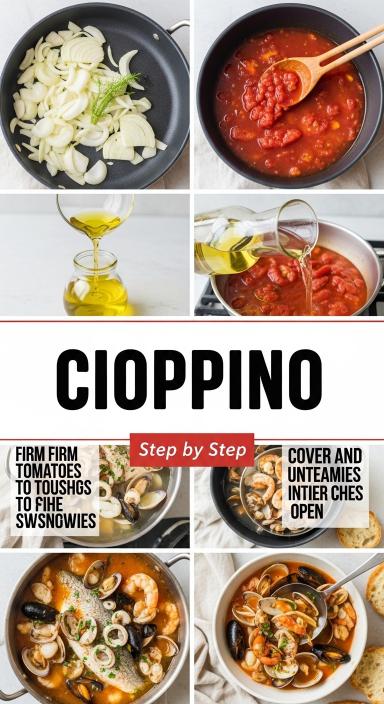
Heat olive oil in a large soup pot over medium heat. Add the chopped onion and cook for about 3–4 minutes until softened.
Add the minced garlic and red pepper flakes and cook for 1 minute until fragrant.
Step 2: Build the Broth
Pour in the crushed tomatoes, seafood stock, and white wine. Stir to combine.
Add oregano, basil, salt, and black pepper. Bring the mixture to a gentle simmer and cook for 15–20 minutes to allow the flavors to develop.
Step 3: Add the Seafood
Add the fish chunks first and cook for about 3 minutes.
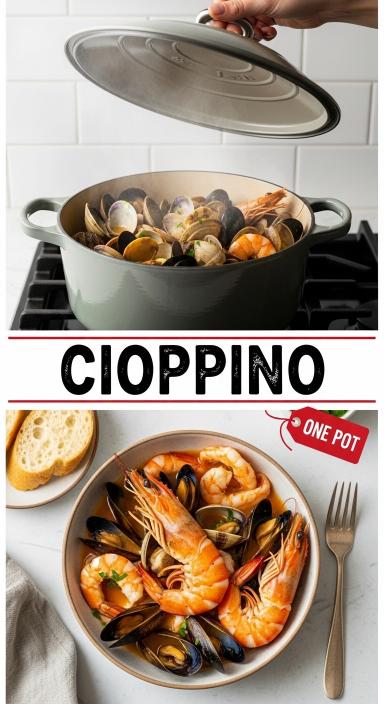
Then add the shrimp, mussels, clams, and crab. Cover the pot and cook for 5–7 minutes until the shellfish open and the shrimp turn pink.
Discard any mussels or clams that do not open.
Step 4: Finish the Dish
Taste the broth and adjust seasoning if needed. Stir gently to combine the seafood with the broth.
Step 5: Serve
Ladle the cioppino into bowls and garnish with fresh parsley.
Serve hot with lemon wedges and crusty bread for dipping.
Serving Suggestions
Best Ways to Serve
Cioppino is best served with warm crusty bread or garlic bread to soak up the flavorful broth.
Side Dish Ideas
This seafood stew pairs well with:
- Simple green salad
- Roasted vegetables
Key Takeaways
- Cioppino is a traditional seafood stew with roots in San Francisco.
- This homemade cioppino recipe is perfect for gatherings.
- Fresh ingredients and spices create a delightful flavor.
- Cooking cioppino allows for a versatile range of seafood options.
- Serving cioppino is a chance to impress your guests.
- Exploring variations of cioppino can enhance your culinary creativity.
Introduction to Cioppino
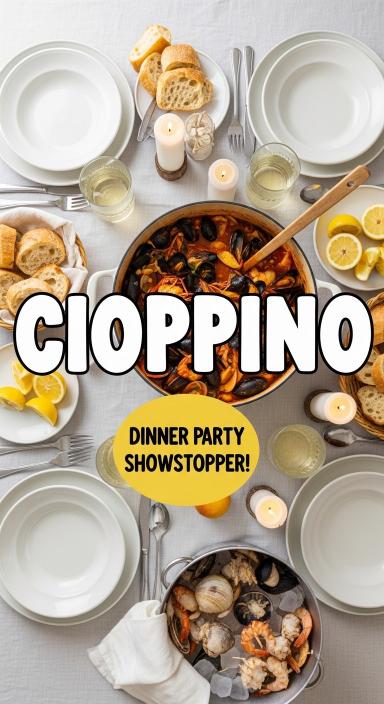
San Francisco cioppino is a flavorful Italian fisherman’s stew. It’s a seafood stew with fresh seafood, veggies, and tomato broth. The colors and smells mix to create a warm, comforting meal.
What is Cioppino?
Cioppino is a classic Italian seafood stew. It has fish and shellfish in a tasty tomato broth. Each part adds to its special taste, making it a hit with seafood fans. It feels like a trip to the coast, where fresh seafood turns into a memorable dish.
The History of Cioppino
This tasty dish comes from Italian immigrants in San Francisco. Fishermen made it with their daily catch and leftovers. Over time, it became a favorite at family events and special times, symbolizing community and togetherness.
Why Choose Cioppino for Your Meal?
Choosing San Francisco cioppino is a great choice. It’s full of fresh ingredients that taste amazing and are good for you. Sharing it with others makes it a fun, communal experience. Its rich history and versatility make it perfect for any event.
Key Ingredients for Cioppino
Making a tasty cioppino needs the right ingredients, like fresh seafood. The quality and freshness of the seafood greatly affect the dish’s taste. Using different types of seafood adds depth to this comforting tomato-based seafood soup.
Fresh Seafood Selection
For a real cioppino, mix seafood like shrimp, crab, mussels, and clams. Each adds its own flavor and texture. I choose fresh seafood from local markets to make the dish even better.
Essential Spices and Herbs
The right spices make cioppino special. I use garlic, parsley, and red pepper flakes. These spices boost the taste and match the seafood well. Adjust the spice to your liking for the best flavor.
Other Necessary Ingredients
Seafood and spices are key, but other ingredients are important too. Olive oil is used for sautéing. Fresh tomatoes are the broth’s heart. White wine adds a nice acidity, balancing the flavors.
Preparing Your Cioppino Broth
Making a rich cioppino broth is key to a great dish. It’s the heart of the meal, adding depth and flavor. I’ll show you how to make a strong base that enhances the seafood and brings all flavors together.
Making the Base of the Dish
Begin by cooking onions, garlic, and bell peppers in olive oil until they’re soft. This step sets the flavor base for the cioppino broth. Then, add canned tomatoes for that rich taste. Mix in fish or vegetable broth and a bit of white wine for extra flavor.
Let it simmer to blend the flavors. This way, the broth becomes a complex and delicious part of the dish.
Tips for Enhancing Flavor
To make your cioppino broth even better, try these tips:
- Add fresh herbs like parsley and thyme for a bright contrast.
- Incorporate a touch of red pepper flakes for heat and depth.
- Use a splash of lemon juice to brighten the dish at the end of cooking.
- Experiment with different stocks; a seafood stock adds an authentic touch, while a tomato-based broth can bring a unique twist.
Alternative Broth Options
If you want to change up the traditional recipe or follow a special diet, there are many broth options. Vegetable broth is a great choice for a lighter version. For a heartier option, mix different stocks like clam or mussel broth. Here’s a quick comparison of broth characteristics:
| Broth Option | Flavor Profile | Vegan |
|---|---|---|
| Fish Stock | Rich, oceanic | No |
| Vegetable Broth | Light, herbal | Yes |
| Tomato-Based Broth | Robust, tangy | Yes |
| Clam Broth | Salty, sweet | No |
Choosing the Right Seafood
Choosing the right seafood is key to a great cioppino. Fresh and high-quality ingredients make a big difference. Here are some top seafood picks, where to find them, and why sustainability matters.
Best Options for Cioppino
Shrimp, clams, mussels, and white fish are perfect for cioppino. They mix flavors and textures well. Crab and calamari can add a special touch. Always check seafood freshness at local markets.
Local Seafood Markets
Local seafood markets are full of adventure. Places like Pike Place Fish Market in Seattle or the Boston Fish Pier have the freshest catches. Buying from these markets helps me get the best seafood and learn about it.
Sustainable Seafood Choices
Choosing sustainable seafood is important for the ocean. Look for labels like the Marine Stewardship Council (MSC) to ensure responsible fishing. Sustainable seafood helps protect marine life and tastes great.
Step-by-Step Cioppino Recipe
Making cioppino is a fun process. It lets me mix fresh ingredients into a tasty dish. This guide will help you through each step, from preparing ingredients to serving the cioppino.
Prepping the Ingredients
First, I collect all the ingredients needed. This includes:
- Fresh seafood like shrimp, crab, and clams
- Tomatoes, garlic, and onion for the broth
- White wine and seafood stock for flavor
- Fresh herbs like parsley and thyme for aroma
I chop the veggies and clean the seafood. Fresh ingredients are key to a great dish.
Cooking the Broth and Seafood
I start by sautéing garlic and onion in olive oil. This makes them smell good. Then, I add chopped tomatoes and let them simmer.
Next, I pour in white wine and seafood stock. I bring it to a gentle boil. Now, it’s time to add the seafood.
I add the seafood at different times to cook it right. This takes about 15 to 20 minutes. It lets the flavors mix well.
Serving Your Cioppino
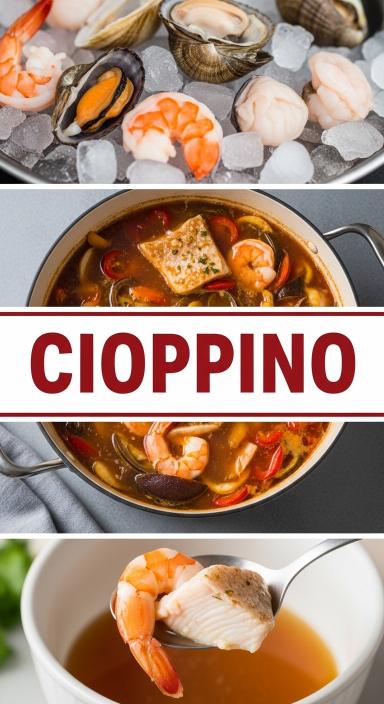
After cooking, I serve the cioppino in deep bowls. I top it with fresh parsley for smell and looks. Serving it with crusty bread is perfect for dipping in the broth.
The dish looks and smells great. It’s sure to impress everyone at the table.
Serving Suggestions for Cioppino
Serving cioppino is more than just the dish. Thoughtful accompaniments and presentation make a big difference. I like to pair it with items that match its flavors. The right wine adds to the experience. Presentation is key to leaving a lasting impression. Here’s how to serve it best.
Best Accompaniments
Cioppino is even better with the right sides. Here are some great options:
- Crusty sourdough bread for dipping
- A fresh green salad with zesty vinaigrette
- Garlic bread for extra flavor
- Herbed rice or polenta for a filling meal
Ideal Wine Pairings
Choosing the right wine makes cioppino even better. Here are my top picks:
| Type of Wine | Flavor Profile | Notes |
|---|---|---|
| Sauvignon Blanc | Crisp, fresh, and citrusy | Pairs well with seafood’s delicate flavors |
| Chardonnay | Full-bodied with a buttery finish | Complements the broth’s richness |
| Pinot Grigio | Light and refreshing | Balances the savory spices |
Presentation Tips
Presenting cioppino in an inviting way can wow your guests. Here are some tips:
- Serve in decorative bowls or deep plates to show off the colors
- Garnish with fresh parsley or basil for color
- Use a rustic table setting with wooden boards or cloth napkins for warmth
- Consider serving with lemon wedges for an extra touch
Cioppino Variations to Try
Exploring cioppino variations is a fun journey through flavors and traditions. This dish is adaptable, letting me turn classic recipes into modern twists. I’ll show how different U.S. regions add their own touches, using local ingredients for tasty variations. For a healthy option, I’ll share vegetarian cioppino ideas, so everyone can enjoy this seafood dish.
Classic vs. Modern Twists
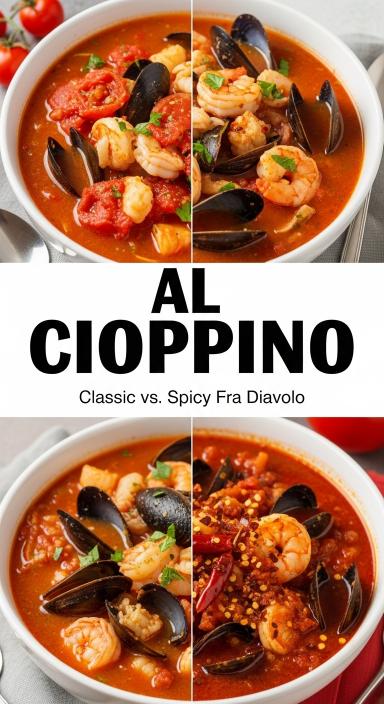
Traditional cioppino has fresh seafood in a rich tomato broth. Modern versions add new ingredients like chorizo for spice or saffron for depth. This keeps the dish exciting, inviting you to try new things while staying true to its roots.
Regional Variations Across the US
Cioppino changes flavor in different U.S. coastal areas. San Francisco’s version often has lots of Dungeness crab. New England might add lobster. Each version shows off local tastes, making the dish more interesting as I explore America’s food scene.
Vegetarian Cioppino Options
Vegetarian cioppino is great for those on a plant-based diet. I use mushrooms, eggplant, and zucchini instead of seafood. Beans or lentils add protein, keeping the dish hearty and flavorful.
Storage and Leftover Tips
Enjoying a delicious cioppino is just the start. Knowing how to store leftovers is key to keeping flavors fresh. I’ll share tips on storing, reheating, and using leftover cioppino to make the most of this seafood dish.
How to Store Cioppino
To keep your cioppino fresh, follow these steps:
- Cool the cioppino to room temperature before storage. This helps avoid condensation and keeps it from becoming watery.
- Transfer it into an airtight container. Glass containers with tight seals work great to prevent any air exposure.
- Store it in the refrigerator if you’ll be eating it within a few days. For longer storage, consider freezing it.
Reheating Techniques
Reheating cioppino properly is key to preserving its taste:
- For the best results, reheat cioppino on the stovetop. Use medium heat and stir occasionally to ensure even warming.
- If using a microwave, place the cioppino in a microwave-safe dish and cover it with a lid to trap steam. Heat it in short intervals, stirring in between.
- Check the temperature to ensure it reaches at least 165°F for food safety.
Creative Leftover Ideas
Leftover cioppino can inspire new meals. Here are some fun ideas:
- Transform it into a hearty pasta dish by mixing cioppino with cooked spaghetti or linguine.
- Use cioppino as a flavorful base for a risotto, adding rice and slowly stirring in broth until creamy.
- Create a seafood stew by adding additional vegetables and grains like quinoa to extend the dish.
Nutritional Information of Cioppino
Learning about cioppino’s nutrition helps me choose better meals. This seafood dish is not only tasty but also healthy. I’ll share the nutritional facts, the health perks of seafood, and how to adapt it for different diets.
Caloric Breakdown
A typical serving of cioppino has about 250-350 calories. This number changes based on the seafood and sauces used. Here’s a table showing the calories from common ingredients:
| Ingredient | Calories per Serving |
|---|---|
| Shrimp (3 oz) | 90 |
| Clams (3 oz) | 70 |
| Fish (3 oz) | 100 |
| Tomato Base (1 cup) | 60 |
| Olive Oil (1 tbsp) | 120 |
Health Benefits of Seafood
Seafood in cioppino is full of health benefits. It’s rich in omega-3s, which are good for the heart and reduce inflammation. It’s also a great source of protein, important for muscles and overall health. Eating seafood regularly can also boost brain function and mood, improving overall health.
Considerations for Dietary Restrictions
For those with dietary needs, cioppino can be made to fit. Those allergic to shellfish can use fish or a veggie broth instead. It’s easy to make it gluten-free by using gluten-free stock or bread. Cioppino’s flexibility makes it a great choice for many diets, without losing its delicious taste.

Top Tools for Making Cioppino
Preparing a delicious cioppino requires the right tools. The best cioppino cooking tools make the process easier. This way, you can focus on making a flavorful dish. Here’s what you need, along with some recommended kitchen equipment and cooking techniques.
Kitchen Equipment You’ll Need
- Large stockpot or Dutch oven for simmering the broth
- Sharp knives for chopping seafood and vegetables with precision
- Measuring cups and spoons to ensure accurate ingredient portions
- Ladle for serving the cioppino
- Skimmer for removing impurities from the broth
Recommended Brands and Products
Quality tools make cooking better. Look into Cuisinart for stockpots, Wüsthof for knives, and Pyrex for measuring cups. These brands offer reliable products that make cooking easier.
Essential Cooking Techniques
Learning key cooking techniques is important for a great cioppino. Start by sautéing your aromatics to create a flavor base. Then, simmer your broth to get the most flavor from your ingredients.
Layering and adding seafood at the right time is key. This ensures perfect textures and flavors. Mastering these techniques will make your cioppino taste like it’s from a restaurant!
Conclusion: Enjoying Your Cioppino Meal
In this article, I’ve covered key points about cioppino. From its history to the mix of ingredients, it’s a delightful dish. Every time I make it, I get a unique experience.
Whether I stick to the classic recipe or add a modern twist, it’s a celebration of seafood and flavors. This makes my dining experience special.
As you start your cioppino adventure, try new recipes and make it your own. Feel free to add different seafood or spices. This creativity makes your meal more enjoyable and personal.
Cioppino is more than just a meal; it’s a part of culinary traditions. It’s perfect for gatherings and cozy solo dinners. Enjoying each bowl connects me to its rich history and flavors.
So, dive into the art of making cioppino. You’ll find joy in every delicious bite.