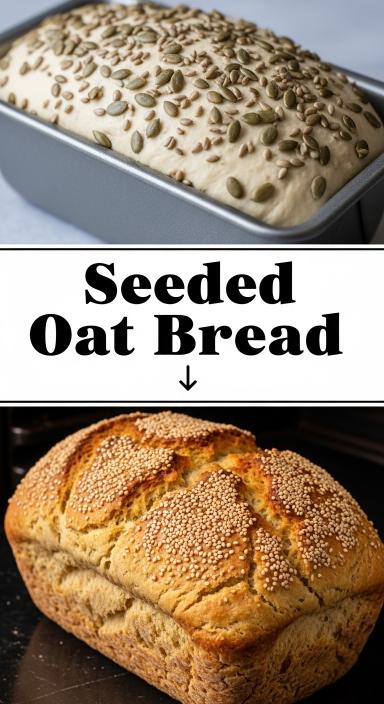
There’s nothing quite like the smell of homemade bread baking in the kitchen. It brings back memories of the first time I took a loaf out of the oven. The golden crust and warm aroma were irresistible.
As I sliced into it, the mix of textures and flavors was amazing. The seeds in my Seeded Oat Bread Recipe made all the difference. This bread is not only comforting but also healthy, thanks to its high-fiber ingredients.
Whether you’re new to baking or have years of experience, making this bread is easy. It’s a great way to add nutrition to your diet while having fun in the kitchen. I’m excited to share this recipe with you.
Recipe Overview
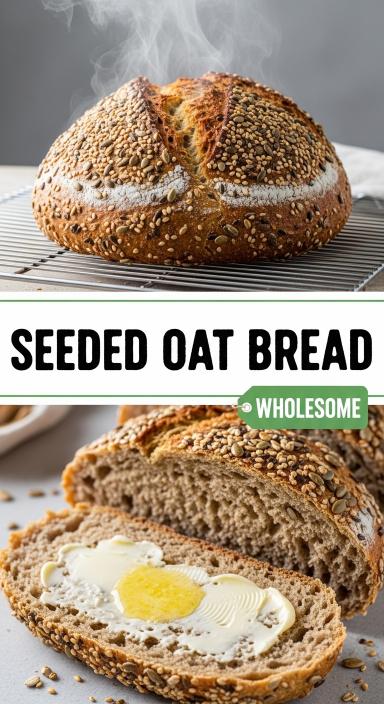
Seeded Oat Bread is a hearty and nutritious homemade bread packed with wholesome oats and a mix of flavorful seeds. This rustic loaf has a soft interior and a slightly chewy crust, making it perfect for sandwiches, toast, or serving alongside soups and salads. The combination of oats, seeds, and whole grains provides a nutty flavor and satisfying texture.
Prep Time
20 minutes
Rise Time
1 hour 30 minutes
Cook Time
35–40 minutes
Total Time
2 hours 30 minutes
Servings
1 loaf (about 10–12 slices)
Cuisine
American / Artisan Bread
Difficulty
Medium
Ingredients
Dry Ingredients
- 3 cups bread flour
- 1 cup rolled oats
- 2 tablespoons mixed seeds (sunflower seeds, sesame seeds, flaxseeds, or pumpkin seeds)
- 1 tablespoon sugar or honey
- 1 teaspoon salt
- 2¼ teaspoons active dry yeast (1 packet)
Wet Ingredients
- 1¼ cups warm water (about 110°F / 43°C)
- 2 tablespoons olive oil
Topping
- 2 tablespoons rolled oats
- 1 tablespoon mixed seeds
Equipment Needed
Kitchen Tools
- Large mixing bowl
- Measuring cups and spoons
- Wooden spoon or dough hook
- Loaf pan
- Kitchen towel
- Cooling rack
Instructions
Step 1: Activate the Yeast
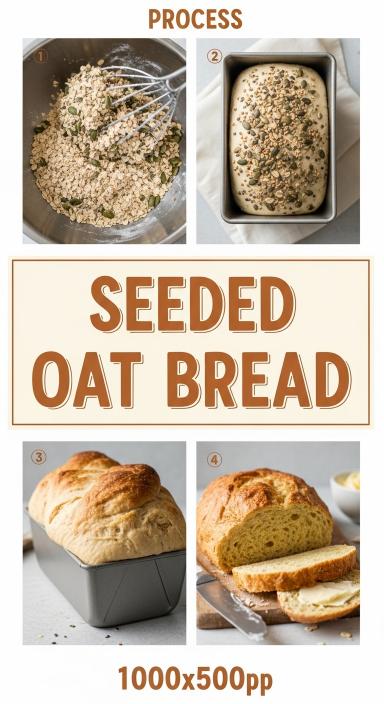
In a mixing bowl combine the warm water, sugar or honey, and yeast. Stir gently and allow the mixture to sit for 5–10 minutes until it becomes foamy.
Step 2: Mix the Dough
Add the bread flour, rolled oats, mixed seeds, salt, and olive oil to the yeast mixture.
Stir with a wooden spoon or use a stand mixer with a dough hook until a soft dough forms.
Step 3: Knead the Dough
Transfer the dough to a lightly floured surface and knead for 8–10 minutes until the dough becomes smooth and elastic.
If using a stand mixer, knead with the dough hook for about 6–7 minutes.
Step 4: First Rise
Place the dough in a lightly greased bowl and cover with a clean kitchen towel.
Allow the dough to rise in a warm place for about 1 hour, or until it doubles in size.
Step 5: Shape the Dough
Punch down the dough to release air bubbles.
Shape the dough into a loaf and place it into a greased loaf pan.
Step 6: Second Rise
Cover the loaf with a towel and let it rise again for 30 minutes until it becomes puffy.
Step 7: Add Toppings
Brush the top lightly with water and sprinkle rolled oats and mixed seeds over the surface.
Step 8: Bake the Bread
Preheat the oven to 375°F (190°C).
Bake the bread for 35–40 minutes until the crust is golden brown and the loaf sounds hollow when tapped.
Step 9: Cool the Bread
Remove the bread from the pan and allow it to cool completely on a cooling rack before slicing.
Key Takeaways
- Experience the satisfaction of baking homemade bread.
- Enjoy the nutritious benefits of high-fiber oats.
- Easy to prepare, making it suitable for all skill levels in the kitchen.
- Incorporates a variety of seeds for added flavor and texture.
- Healthy baking doesn’t have to be complicated—this recipe proves it!
Introduction to Seeded Oat Bread
Seeded oat bread is a mix of great flavors and textures. It’s a nutritious loaf perfect for any time. The whole grain ingredients and seeds give it a unique taste that’s both tasty and healthy.
The nutty flavors make it great for breakfast or lunch. It’s a joy to eat.
What Makes This Recipe Special?
This bread is special because it combines oats’ health benefits with various seeds. The mix of ingredients creates a bread that’s both textured and flavorful. It’s versatile, letting you add your favorite seeds like sunflower, sesame, or flaxseed.
Each seed adds to the taste and supports healthy baking. It’s a great way to make your bread healthier.
Health Benefits of Oats
Oats are not just tasty but also very nutritious. They’re known for their high fiber, which helps with digestion and heart health. Studies show oats can lower cholesterol and stabilize blood sugar.
Enjoying a slice of whole grain bread made with oats is a simple way to live healthier.
Essential Ingredients for Seeded Oat Bread
Making the perfect Seeded Oat Bread begins with knowing the key ingredients. These ingredients are crucial for both taste and nutrition. Using top-notch ingredients is vital in making a bread that’s both tasty and nutritious. Here’s what you’ll need.
Whole Grain Oats
Whole grain oats are the base of this bread. They’re full of fiber and protein, making them great for a healthy bread. Their sweetness and chewy texture add to the flavor and keep the bread moist.
Seeds to Include
Seeds not only make the bread taste better but also make it healthier. Here are some seeds you should add:
- Sunflower seeds add healthy fats and a nice crunch.
- Sesame seeds give a nutty taste that goes well with oats.
- Flaxseeds are full of omega-3s and help the bread stick together.
Other Baking Essentials
There are other important ingredients for this bread too:
- Flour gives the bread structure and is needed for kneading.
- Yeast makes the dough rise.
- Salt improves the taste and controls how the dough grows.
Kitchen Tools You’ll Need
To start making artisan bread, you need the right tools. Each tool has a special role in making your bread recipe a success. Here’s a list of essential items that will help you make bread smoothly and enjoyably.
Mixing Bowls
A good set of mixing bowls is key for mixing ingredients well. I like using a large, non-slip bowl for easy stirring. Glass and stainless steel bowls are my favorites because they’re durable and easy to clean.
Measuring Cups
When baking, precision is important. I use both standard and metric measuring cups to measure ingredients accurately. This helps me get the right texture in my easy bread recipe.
Bread Pan
The right bread pan makes a big difference. I choose pans made from heavy-duty materials for even heat. Non-stick pans prevent sticking, so I often pick those. A quality bread pan is a great investment for perfecting your bread.
Step-by-Step Instructions
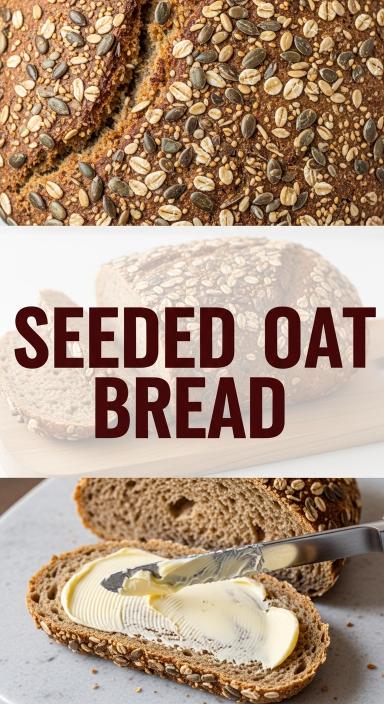
In this section, I will share precise, step-by-step instructions for creating the perfect Seeded Oat Bread. By following these methods, you will learn how to prepare the dough, shape the loaf, and implement helpful baking tips to ensure a successful outcome. This homemade bread will fill your kitchen with a delightful aroma.
Preparing the Dough
To start, gather your ingredients. Combine warm water, yeast, and sugar in a mixing bowl. Let it sit for about 5 minutes until it becomes frothy. In another bowl, mix whole grain oats, flour, and salt.
Gradually add the dry ingredients to the yeast mixture, stirring until combined. Next, knead the dough on a floured surface for approximately 10 minutes. You want a smooth, elastic texture without being sticky.
Once kneaded, place the dough in a lightly greased bowl and cover it with a kitchen towel. Allow it to rise in a warm spot for about an hour or until it doubles in size.
Shaping the Loaf
After the dough has risen, gently punch it down to release excess air. Turn it out onto a floured surface and shape it into a loaf. Tuck the ends underneath and place the loaf seam-side down in a greased bread pan.
Cover it again with the kitchen towel and let it rise for another 30-45 minutes.
Baking Tips
Before baking the bread, preheat your oven to 375°F (190°C). To ensure a crispy crust, pop a shallow pan of water in the bottom of the oven during baking. This method generates steam and enhances the texture of the loaf.
Bake for 30-35 minutes, until the crust is golden brown and the bread sounds hollow when tapped. Allow it to cool in the pan for a few minutes before transferring it to a wire rack.
Variations to Try
Trying different variations with Seeded Oat Bread can make it even better. By adding new ingredients and techniques, I can make it taste and feel unique. This way, I can enjoy it more, whether I’m watching my diet or just want something special.
Adding Different Seeds
Adding seeds like pumpkin, chia, or sunflower can make the bread crunchier and healthier. Each seed brings its own taste and health benefits. For example, pumpkin seeds have zinc and magnesium, while chia seeds have omega-3 fatty acids.
Mixing a ¼ cup of each can create a delicious and nutritious loaf.
Flavor Enhancements
Adding herbs and spices like rosemary, thyme, or garlic powder can make the bread taste better. These ingredients not only enhance the flavor but also make the bread healthier. A teaspoon of garlic powder or a tablespoon of fresh rosemary can make a big difference.
Gluten-Free Options
For gluten-free bread, I can use certified gluten-free oats. Replacing regular flour with almond or coconut flour works well. This makes the bread fluffy and nutritious, perfect for gluten-free diets.
Storing Your Seeded Oat Bread
Keeping bread fresh is key. Homemade bread, like seeded oat, benefits from good storage. After it cools, wrap and store it right. Here’s how to keep your bread fresh.
Best Practices for Freshness
After the seeded oat bread cools, follow these steps:
- Wrap it in plastic wrap or foil to block air.
- Put it in a bread box or airtight container.
- Don’t slice until you’re ready to eat to avoid air exposure.
Freezing Bread for Later
Freezing is great for keeping bread fresh longer. Here’s how to freeze it well:
- Make sure the bread is cool.
- Wrap it in plastic, then foil.
- Put it in a freezer-safe bag or container.
To enjoy, thaw at room temperature. For faster thawing, use a microwave on defrost.
By following these tips, your seeded oat bread stays tasty for days or weeks. Enjoy it whenever you like!
Serving Suggestions
My Seeded Oat Bread is more than just a tasty treat. It’s a great base for many serving suggestions that can make any meal better. You can use it to add flavor with spreads or make satisfying sandwiches. This nutritious loaf opens up endless possibilities.
Perfect Pairings
For the best experience, try these tasty accompaniments with my Seeded Oat Bread:
- Butter: A simple spread of sweet or salted butter adds richness.
- Nut Butters: Almond or peanut butter complements the bread with a nutty twist.
- Cream Cheese: Spread with your favorite herbs for a delightful bite.
- Cheese: A slice of sharp cheddar or creamy goat cheese works wonderfully.
Creative Sandwich Ideas
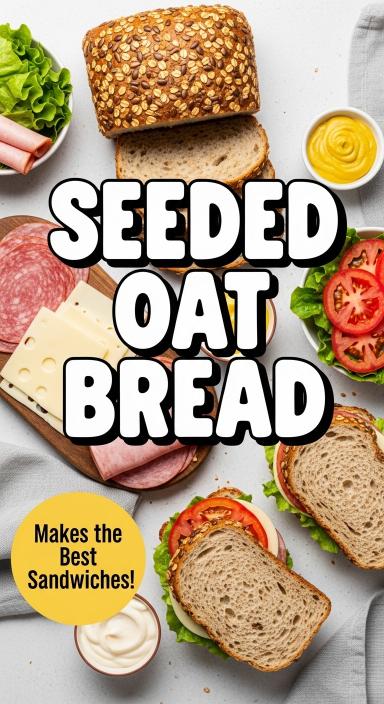
With this nutritious loaf, I love making creative sandwiches. They highlight healthy fillings and exciting flavor combinations:
- Avocado Delight: Mashed avocado with lime, cilantro, and sliced tomatoes.
- Turkey and Spinach: Sliced turkey, fresh spinach, and a smear of hummus.
- Chickpea Salad: A mix of mashed chickpeas with yogurt, diced cucumbers, and dill.
- Caprese Style: Fresh mozzarella, tomatoes, basil, and a drizzle of balsamic glaze.

Common Mistakes to Avoid
Baking high-fiber bread can be fun, but there are mistakes to watch out for. Knowing these can help your bread turn out just right. My baking tips can help you steer clear of these errors, so your bread is light and full of flavor.
Overmixing the Dough
One big mistake is overmixing the dough. This can make the bread dense and disappointing. A good mix lets gluten form right, giving the bread its structure. I mix just enough to combine the ingredients. The dough should feel slightly tacky but not too wet.
Underbaking the Bread
Another mistake is pulling the bread out too soon. The smell of baking can be irresistible. But, this can make the bread gummy. To check if it’s done, I use a toothpick or skewer. If it comes out clean, the bread is ready. If it’s gummy, it needs more time.
Nutritional Information
Exploring the nutritional info of my Seeded Oat Bread shows its importance. It’s key for those who love healthy baking to know what’s in their food. This bread not only fills you up but also gives you important nutrients for health.
Caloric Breakdown
Knowing the calories in each slice helps keep your diet balanced. Here’s a quick look at the calories per serving:
| Serving Size | Calories |
|---|---|
| 1 Slice (Approx. 28g) | 80 |
| 2 Slices | 160 |
| Whole Loaf (Approx. 16 Slices) | 1280 |
Key Nutrients in Oat Bread
This bread is more than just calories; it’s full of nutrients for a healthy diet. Here’s what you’ll find:
- Dietary Fiber: Each slice has about 3g of fiber, helping with digestion.
- Protein: It’s a good source of plant-based protein, with 4g per slice, supporting muscles.
- Vitamins and Minerals: It’s rich in iron, magnesium, and B vitamins, important for energy and health.
Conclusion and Final Thoughts
Baking Seeded Oat Bread at home is truly special. The mix of oats and seeds gives a flavor that store-bought can’t match. Plus, it’s healthier because you control what goes into it.
Why You Should Try Making This Bread
Making homemade bread is more than cooking. It’s a way to connect with your food and feel joy. Kneading, shaping, and slicing your loaf is rewarding. You can also make it your own, making each time special.
I encourage you to try baking Seeded Oat Bread. It’s a delicious journey that’s good for you.
Share Your Baking Experience
After baking this recipe, I’d love to hear about your experience. Did you try any new things or make it your own? Sharing helps us all learn and grow.
Let’s celebrate making homemade bread together. Your ideas might inspire others!