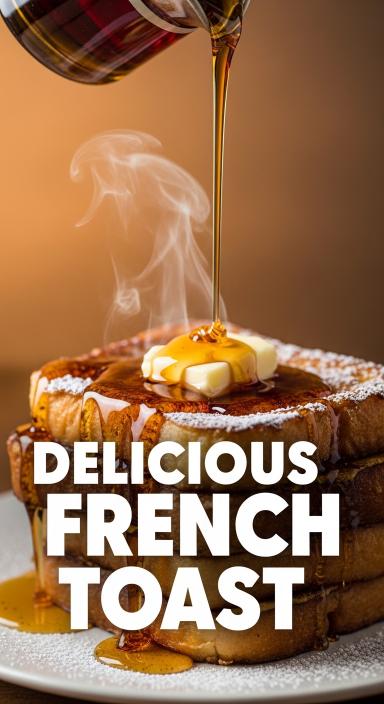
Waking up to the smell of homemade French toast is special. I remember quiet Sunday mornings at my grandmother’s house. The sun lit up the table, ready for breakfast.
As I walked into the kitchen, my heart skipped a beat. The golden slices sparkled with syrup and powdered sugar. It was a family recipe, passed down for generations. This classic French toast is a fluffy treat for mornings.
In this article, I’ll share my favorite French toast recipe. We’ll explore its history and how to make it in your kitchen.

Recipe Overview
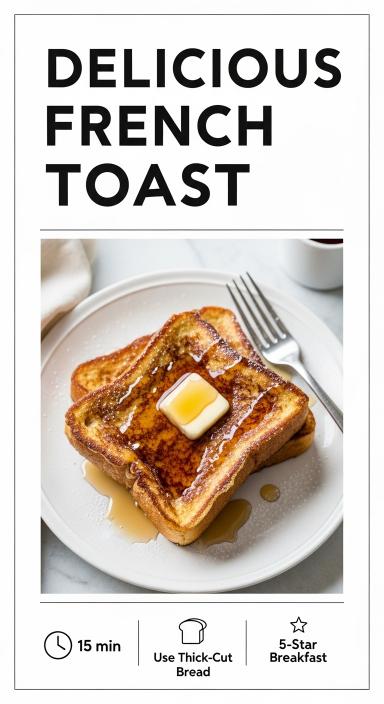
French Toast is a classic breakfast dish made by dipping slices of bread in a rich egg custard flavored with vanilla and cinnamon, then cooking them until golden brown. The result is a soft, custardy center with a lightly crisp exterior. This simple and comforting recipe is perfect for weekend breakfasts, brunch gatherings, or a quick homemade morning meal.
Prep Time
5 minutes
Cook Time
10 minutes
Total Time
15 minutes
Servings
4 servings
Cuisine
American
Difficulty
Easy
Ingredients
Main Ingredients
- 8 slices bread (brioche, challah, or white bread)
- 3 large eggs
- ¾ cup milk
- 1 tablespoon granulated sugar
- 1 teaspoon vanilla extract
- ½ teaspoon ground cinnamon
- 1 pinch salt
- 2 tablespoons butter (for cooking)
Optional Toppings
- Maple syrup
- Powdered sugar
- Fresh berries
- Whipped cream
- Honey
- Sliced bananas
Equipment Needed
Kitchen Tools
- Mixing bowl
- Whisk
- Non-stick skillet or griddle
- Spatula
- Measuring cups and spoons
Instructions
Step 1: Prepare the Custard
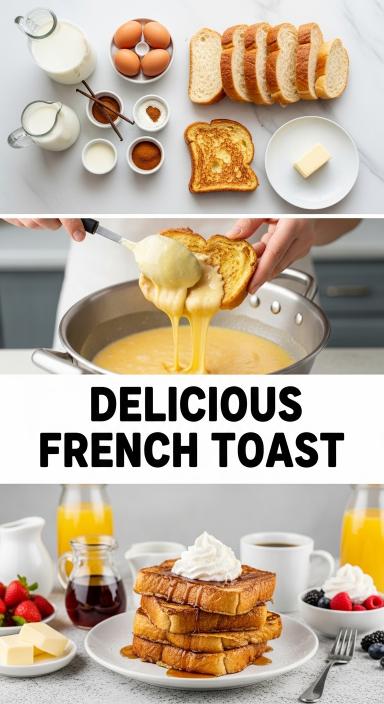
In a medium mixing bowl whisk together the eggs, milk, sugar, vanilla extract, cinnamon, and salt until the mixture is smooth and fully combined.
Step 2: Heat the Pan
Place a non-stick skillet or griddle over medium heat and add butter. Allow the butter to melt and lightly coat the pan.
Step 3: Dip the Bread
Dip each slice of bread into the egg mixture, coating both sides evenly. Allow any excess mixture to drip off before placing the bread in the pan.
Step 4: Cook the French Toast
Place the soaked bread slices onto the heated skillet. Cook for about 2–3 minutes per side until golden brown and slightly crispy on the outside.
Add more butter to the pan if necessary while cooking additional slices.
Step 5: Serve
Transfer the cooked French toast to plates and serve warm with your favorite toppings such as maple syrup, powdered sugar, or fresh fruit.
Serving Suggestions
Best Ways to Serve
French toast is delicious served with maple syrup and a dusting of powdered sugar.
Breakfast Pairings
It pairs well with:
- Crispy bacon
- Breakfast sausage
- Scrambled eggs
- Fresh fruit
- Coffee or tea
Pro Tips
Use Slightly Stale Bread
Day-old bread absorbs the custard mixture better and prevents soggy French toast.
Cook on Medium Heat
Cooking on medium heat ensures the bread cooks evenly without burning.
Add Extra Flavor
For richer flavor, add a small amount of orange zest or nutmeg to the custard mixture.
Key Takeaways
- Homemade French toast is a delightful breakfast option that’s easy to prepare.
- Classic French toast combines simple ingredients that produce outstanding flavor.
- The dish has a rich history, highlighting its popularity across cultures.
- Various bread types and added spices can enhance your French toast experience.
- Mastering the cooking technique is key to achieving that fluffy texture.
- Experimenting with flavors opens up a world of delicious possibilities.
- French toast makes for a perfect breakfast or brunch meal for any occasion.
Introduction to French Toast
French toast has been a favorite at breakfast for many years. It’s made with bread soaked in eggs and milk, then cooked until golden. It’s a comforting dish that everyone loves, perfect for families and individuals.
Understanding French toast shows it’s simple yet versatile. You can add many toppings and flavors to make it even better.
What Makes French Toast Special
French toast is special because it turns simple ingredients into a tasty meal. Each bite is crispy on the outside and soft on the inside. It’s not just filling; it’s also a chance to get creative with different breads and toppings.
Whether you like maple syrup or fresh fruits, there are endless ways to enjoy it.
The History of French Toast
The history of French toast goes back to ancient times. In ancient Rome, it was called “Pan Dulce.” Over time, it changed with different cultures and ingredients.
It started as a way to use up stale bread, showing how to make something delicious from leftovers. Its enduring popularity proves why it’s loved by so many through the ages.
Key Ingredients for Perfect French Toast
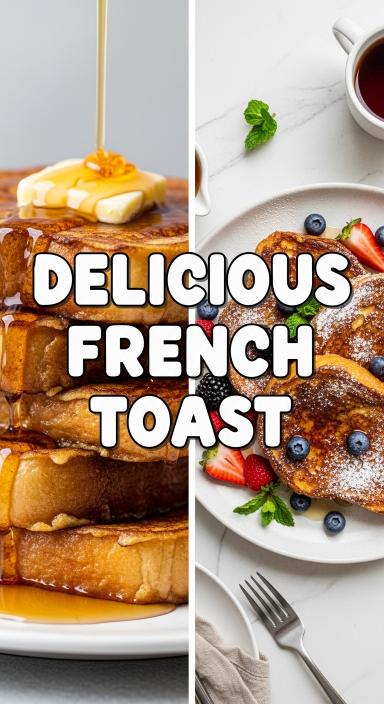
Making perfect French toast starts with the right ingredients. Choosing the right bread is crucial. It makes each bite a joy to eat. Adding spices gives it a scent that makes it unforgettable.
Types of Bread to Use
There are many breads that work well for French toast. Each has its own taste and texture. Here are some of my top picks:
- Brioche: Its rich, buttery texture soaks up the egg mixture perfectly.
- Challah: This slightly sweet bread adds a wonderful flavor to French toast.
- Sourdough: It has a tangy taste that goes well with sweet toppings.
- Stale Bread: Great for soaking in the egg mixture without getting mushy.
Essential Spices and Flavorings
To make French toast even better, I add different spices. The right bread is like a blank canvas for flavors. Spices like cinnamon and nutmeg are key. Vanilla extract adds a nice smell. Here are the spices I always use:
- Cinnamon
- Nutmeg
- Vanilla extract
Preparing The Perfect French Toast Batter
Making a tasty French toast batter is key to a great breakfast. The right mix of ingredients affects the taste and texture. Knowing how to make the batter is the first step to a wonderful meal. The main ingredients are eggs and the right type of milk or cream.
Eggs: The Main Ingredient
Eggs are the base of French toast batter. I use one egg per slice of bread and whisk it well to add air. This makes the French toast fluffy. Fresh eggs make the batter richer and more flavorful.
Milk and Cream Options
I add whole milk or heavy cream to make the batter creamy. This makes the French toast taste rich and indulgent. For a lighter option, try almond or oat milk. These can make a healthier version of your breakfast. Changing the milk can change the flavor, so try different ones!
| Ingredient | Function | Notes |
|---|---|---|
| Eggs | Provides structure and richness | Use fresh eggs for the best flavor |
| Milk | Adds creaminess | Whole milk for richness; alternatives for lighter options |
| Cream | Enhances richness | Heavy cream adds a decadent touch |
Cooking Techniques for French Toast
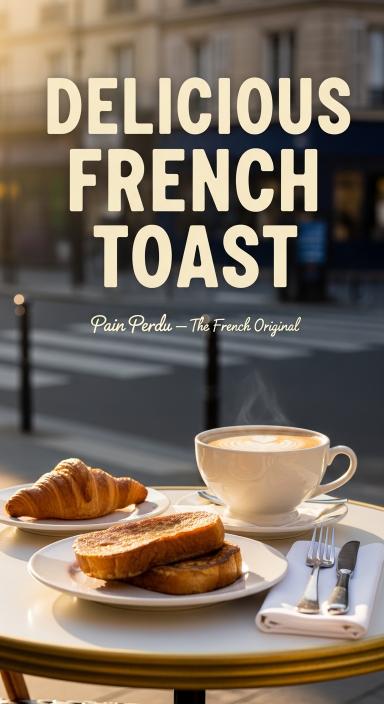
Learning to cook French toast opens up a world of tasty options. My top picks are stovetop French toast and oven-baked French toast. Each method has its own perks. Stovetop cooking lets me interact more, while baking is great for making lots at once.
Stovetop vs. Oven Methods
For stovetop French toast, I heat a non-stick skillet over medium. Adding butter gives it a crispy edge. It’s key to flip the slices halfway for a golden brown finish. Oven-baked French toast is simpler, perfect for big brunches. I preheat the oven to 375°F, lay the bread in a dish, and wait for it to turn golden.
Tips for Even Cooking
To cook evenly, I use certain tips for both methods. For stovetop, watching the heat is crucial to avoid burning. Flipping at the right time ensures both sides are just right. Oven-baked requires a single layer of bread and a half-way rotation for even cooking.
My choice between stovetop and oven depends on my mood and guests. But, I always aim for that fluffy inside and crispy outside.
Flavor Variations to Try
Exploring French toast flavor variations can make this classic dish truly special. Adding cinnamon and vanilla creates a warm, nostalgic taste perfect for breakfast or brunch. French toast is versatile, allowing for many adaptations to suit different tastes.
Classic Cinnamon and Vanilla
Making classic cinnamon French toast is easy and rewarding. Mixing ground cinnamon and vanilla extract into the batter fills the kitchen with a delightful aroma. This mix balances sweetness and warmth, making each bite satisfying. It’s a great base for a variety of toppings.
Unique Twists: Fruit and Nut Toppings
For a gourmet twist, try adding fruit toppings for French toast. Sliced bananas, mixed berries, or fruit compote add stunning looks and flavors. Nut toppings like chopped almonds or walnuts add a crunchy texture. These unique twists can turn your classic recipe into a gourmet delight, making every meal special.
Serving Suggestions
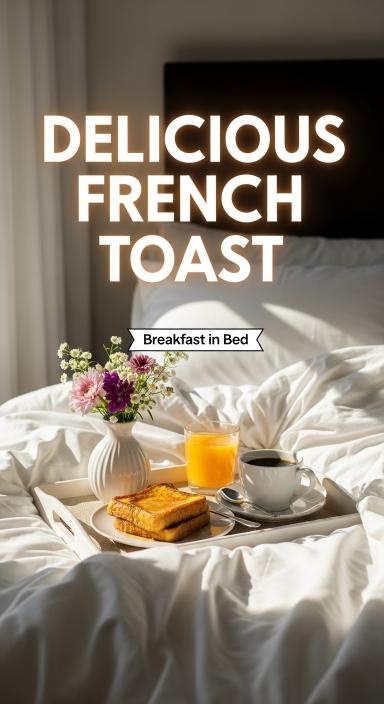
French toast serving ideas are endless. I often use classic maple syrup, but trying berry or caramel syrups is fun. It makes every breakfast unique.
Complementary Syrups and Sauces
Choosing the right syrup can make a big difference. Here are some favorites:
- Maple syrup
- Caramel sauce
- Berry-flavored syrup
- Honey or agave nectar
- Nutella for a chocolatey treat
These syrups can make your dish perfect for any occasion.
Best Side Dishes to Pair
To match the rich taste of French toast, add some savory and fresh sides. Here are great options:
- Crispy bacon or sausage for a savory kick
- Fresh fruit salad to balance sweetness
- Scrambled eggs for added protein
- Greek yogurt for a creamy texture
This mix makes your meal more indulgent and satisfying. Try these ideas for a tasty morning!
French Toast for Breakfast or Brunch
French toast is more than a sweet treat. It can be a nutritious meal for any time. Choose whole grain bread and add protein like Greek yogurt or nuts. This makes French toast a tasty and healthy option for breakfast or brunch.
It’s perfect for any occasion, big or small. Whether it’s a holiday or a simple weekend, French toast is sure to impress.
Making It a Nutritional Powerhouse
To make French toast healthier, add fresh fruits like berries or bananas. They add flavor and vitamins. A dollop of Greek yogurt on top adds creaminess and protein.
This way, French toast becomes a nutritious and delicious meal. I feel good eating it because it’s both tasty and healthy.
Ideal Occasions for Serving
French toast is great for special events. It’s perfect for weekend brunches with friends or family. It’s also a great choice for holidays like Mother’s Day.
Whether it’s a big celebration or a casual morning, French toast makes everyone feel happy and full.
Storing and Reheating Leftover French Toast
After enjoying a delicious batch of French toast, I often find myself with some leftover. Properly storing French toast ensures it keeps its flavor and texture. This way, when it’s time to reheat, it’s just as tasty as the first time.
Proper Storage Techniques
First, I let my leftover French toast cool completely before storing it. This prevents it from getting soggy. I put the cooled slices in an airtight container and refrigerate them. They can last up to three days this way.
If I want to keep them longer, I freeze individual slices. I wrap them in plastic wrap and then put them in a freezer bag. This method is great for longer storage and keeps the toast quality high.
Best Reheating Methods
When reheating French toast, I use a toaster oven. It keeps the bread crispy and tastes almost as fresh as when it was first made. I preheat the toaster oven to about 350°F (175°C) and reheat the slices for 5 to 10 minutes.
If I’m in a hurry, microwaving works too. Adding a slice of bread between the French toast slices helps absorb moisture. This keeps them from getting too soggy. Reheating French toast brings comfort and joy back to this delightful dish.
Tips for Making French Toast for a Crowd
Hosting a breakfast gathering can be a breeze with French toast for a crowd. Scaling up my recipe lets me serve a large batch efficiently. With some planning, my guests enjoy a tasty meal without me spending too much time cooking.
Scaling Up the Recipe
Using a big baking dish is key. Pouring the batter over bread slices allows me to bake many servings at once. This saves time and ensures each piece is cooked just right. Here’s how I adjust my recipe for more servings:
| Number of Servings | Eggs | Milk (cups) | Bread Slices |
|---|---|---|---|
| 4 | 4 | 1 | 8 |
| 8 | 8 | 2 | 16 |
| 12 | 12 | 3 | 24 |
Prepping in Advance
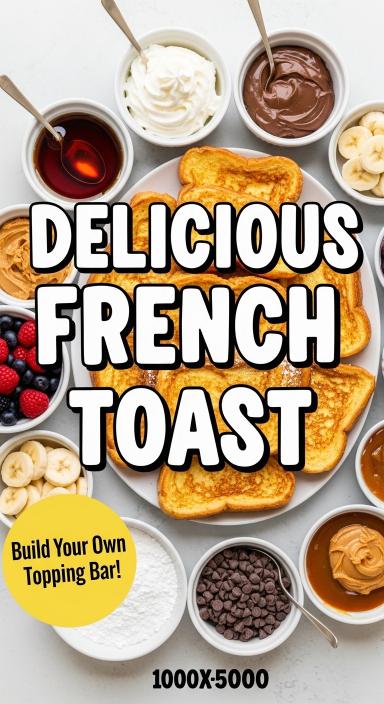
My secret is prepping French toast the night before. I mix the eggs, milk, and spices and refrigerate them. In the morning, I just dip the bread and bake it. A “build-your-own” French toast bar with toppings like fruits and syrups keeps everyone happy and lets them customize their dish
Conclusion and Final Thoughts
As I wrap up my discussion on French toast, I want to highlight how easy and delicious it is. It’s also very adaptable. Whether you like the classic version or want to try something new, the tips I’ve shared will help.
Choosing the right bread and experimenting with spices and toppings can make your French toast stand out. Each choice adds to the final dish, making it unique.
In my final thoughts, I encourage you to be creative. Mix in your favorite flavors or try new ways of serving it. French toast’s versatility lets you enjoy it in many ways.
So, gather your ingredients and get ready to enjoy this beloved breakfast classic. Remember, cooking is about enjoying the process and making something special. Explore new ingredients and find joy in every bite.
I’m excited to hear about the delicious French toast you’ll make! Let your creativity shine and have fun with it!