
Weekend mornings call for a little treat, and for me, that’s a Cheesy Potato Egg Scramble. The first time I made it, I was flipping through a family cookbook. The kitchen was filled with the smell of cheese and potatoes, making breakfast feel like a warm hug. It’s now my go-to comfort food, bringing joy and memories of cozy times with family.
This homemade breakfast is perfect for lazy Sundays. It’s easy to make and turns cooking into a fun ritual. Whether it’s for your family or just for you, this dish will make your breakfast special and warm your heart!
Key Takeaways
- A delicious Cheesy Potato Egg Scramble is perfect for any breakfast or brunch.
- This easy breakfast can be customized with various ingredients for added flavor.
- The recipe is a comforting choice, ideal for family gatherings or personal indulgence.
- Cooking this homemade breakfast doesn’t require advanced skills, making it accessible.
- Creating this scramble is a wonderful way to spend quality time in the kitchen.
Recipe Details
Prep Time: 15 minutes
Cook Time: 20-25 minutes
Total Time: 35-40 minutes
Servings: 4 servings
Difficulty: Easy
Course: Breakfast, Brunch
Cuisine: American
Ingredients
For the Potatoes
- 1.5 pounds russet potatoes (about 3 medium potatoes), peeled and diced into ½-inch cubes
- 3 tablespoons olive oil or vegetable oil
- 1 teaspoon garlic powder
- 1 teaspoon paprika (smoked paprika for extra depth)
- ½ teaspoon onion powder
- Salt and freshly ground black pepper to taste
For the Eggs
- 6 large eggs
- 3 tablespoons whole milk or heavy cream
- 2 tablespoons unsalted butter
- ¼ teaspoon salt
- Pinch of black pepper
For the Cheese and Aromatics
- 1.5 cups shredded cheddar cheese (sharp cheddar recommended)
- ½ medium yellow onion, diced
- 2 cloves garlic, minced
- 2 tablespoons fresh chives, chopped (for garnish)
Optional Add-Ins
- 4 strips bacon, cooked and crumbled
- 1 cup breakfast sausage, cooked and crumbled
- 1 cup diced ham
- ½ cup diced bell peppers (any color)
- ½ cup sliced mushrooms
- ¼ cup diced jalapeños (for heat)
- 1 cup fresh baby spinach
- ½ cup diced tomatoes
- 2 green onions, sliced
- Sour cream for serving
- Hot sauce for serving
- Salsa for serving
Equipment Needed
- Large 12-inch non-stick skillet or cast iron skillet with lid
- Sharp knife and cutting board
- Medium mixing bowl
- Whisk or fork
- Spatula (silicone or wooden)
- Measuring cups and spoons
- Colander (for rinsing potatoes)
- Clean kitchen towel or paper towels
Step-by-Step Instructions
Step 1: Prepare the Potatoes
Start by peeling your russet potatoes using a vegetable peeler. Russet potatoes are ideal for this recipe because they have a high starch content that creates a beautifully crispy exterior while staying fluffy on the inside. You can also use Yukon Gold potatoes for a creamier texture, though they won’t get quite as crispy.
Once peeled, dice the potatoes into uniform ½-inch cubes. Keeping the pieces roughly the same size is important because it ensures they all cook at the same rate. Pieces that are too large will take longer to cook through, while smaller pieces may burn before the larger ones are done. Take your time with this step for the best results.
Place the diced potatoes in a colander and rinse them under cold running water for about 30 seconds. This step removes excess starch from the surface of the potatoes, which helps them get crispier when cooked. Gently shake the colander to remove excess water, then spread the potatoes on a clean kitchen towel or several layers of paper towels. Pat them completely dry. This is a crucial step because wet potatoes will steam instead of crisp in the pan.
Step 2: Season the Potatoes
Transfer the dried potato cubes to a large mixing bowl. Drizzle the olive oil over the potatoes and toss to coat evenly. The oil should lightly coat each piece without pooling at the bottom of the bowl. If needed, add a little more oil, but don’t overdo it as too much oil will make the potatoes greasy rather than crispy.
Add the garlic powder, paprika, onion powder, salt, and freshly ground black pepper to the oiled potatoes. Use your hands or a large spoon to toss everything together until the seasonings are evenly distributed across all the potato pieces. Every cube should have a light coating of the seasoning mixture. Set the seasoned potatoes aside while you prepare the other ingredients.
Step 3: Prepare the Egg Mixture
Crack all 6 eggs into a medium mixing bowl. Add the milk or heavy cream, salt, and a pinch of black pepper. Using a whisk or fork, beat the eggs vigorously until the yolks and whites are completely combined and the mixture is uniform in color. You should see no streaks of egg white remaining. The milk adds creaminess and helps create softer, more tender scrambled eggs.
For the fluffiest scrambled eggs, whisk the mixture for about 30 seconds to incorporate a little air. Some cooks prefer to add a tablespoon of sour cream or cream cheese to the egg mixture for extra richness. Set the egg mixture aside near the stove so it’s ready when you need it.
Step 4: Prep the Aromatics and Add-Ins
Dice the onion into small pieces, roughly the same size as your potato cubes or slightly smaller. Mince the garlic cloves finely. Chop the fresh chives and set them aside for garnish. If you’re using any optional add-ins like bell peppers, mushrooms, or jalapeños, dice them now and keep them in separate small bowls so they’re ready to add at the right time during cooking.
If you’re adding bacon or sausage, cook them first in a separate pan until crispy and cooked through. Transfer to a paper towel-lined plate to drain, then crumble or chop into bite-sized pieces. You can use a little of the rendered bacon fat in place of some of the oil for cooking the potatoes to add extra flavor.
Step 5: Cook the Potatoes
Place your large skillet over medium-high heat and let it preheat for about 2 minutes. A properly preheated pan is essential for achieving crispy potatoes. To test if the pan is ready, sprinkle a few drops of water on the surface. If the water sizzles and evaporates immediately, the pan is hot enough.
Add the seasoned potatoes to the hot skillet in a single layer. Spread them out as much as possible so each piece has contact with the pan surface. Do not stir or move the potatoes for the first 4 to 5 minutes. This initial period of undisturbed cooking allows the bottom of the potatoes to develop a golden brown crust. Resist the urge to stir too early.
After 4 to 5 minutes, use your spatula to flip and stir the potatoes. You should see beautiful golden brown coloring on the cooked sides. Continue cooking, stirring every 3 to 4 minutes, for a total of about 12 to 15 minutes or until the potatoes are golden brown on multiple sides and tender when pierced with a fork. The exact time will depend on your stove and the size of your potato pieces.
If your potatoes seem to be browning too quickly on the outside but are still hard in the center, reduce the heat to medium and cover the pan for a few minutes. The trapped steam will help cook the interior without burning the exterior.
Step 6: Add the Onions and Aromatics
Once the potatoes are nearly cooked through and have developed a nice golden crust, push them to one side of the pan or create a well in the center. Add the diced onions to the empty space in the pan. Cook the onions for 2 to 3 minutes, stirring occasionally, until they begin to soften and turn translucent.
Add the minced garlic to the onions and cook for another 30 seconds to 1 minute, stirring constantly. Garlic burns quickly, so keep it moving in the pan. You’ll know it’s ready when you can smell the fragrant garlic aroma. Stir the onions and garlic into the potatoes until everything is well combined.
If you’re using any vegetable add-ins like bell peppers, mushrooms, or spinach, add them now. Cook for 2 to 3 minutes until the vegetables are just tender. For spinach, add it last as it wilts very quickly. Stir everything together with the potatoes.
Step 7: Add the Eggs
Reduce the heat to medium-low. This is important because eggs cook best over gentle heat. High heat will result in rubbery, dry eggs instead of soft and creamy curds. Add the butter to the pan and let it melt, swirling to coat the bottom of the skillet.
Pour the beaten egg mixture evenly over the potato mixture in the skillet. Let the eggs sit undisturbed for about 20 to 30 seconds until you see the edges beginning to set. Using your spatula, gently push the cooked egg from the edges toward the center, allowing the uncooked egg to flow to the empty space on the pan.
Continue this gentle folding and pushing motion, working around the pan, for about 2 to 3 minutes. The goal is to create soft, pillowy curds of egg mixed throughout the potatoes rather than one solid mass. Work slowly and gently for the best texture. The eggs are ready when they look just slightly wet on top but are no longer runny. They will continue to cook from residual heat after you remove the pan from the stove.
Step 8: Add the Cheese
Remove the skillet from the heat. Immediately sprinkle the shredded cheddar cheese evenly over the entire surface of the potato and egg mixture. The residual heat from the food will begin to melt the cheese. For extra melty cheese, cover the skillet with a lid for 1 to 2 minutes to trap the heat and help the cheese melt completely.
Once the cheese is melted and gooey, use your spatula to gently fold and mix everything together one final time. Be careful not to overmix as you want to maintain the distinct textures of the crispy potatoes and soft egg curds. The melted cheese will create delicious strings and pockets of cheesy goodness throughout the dish.
If you’re using any pre-cooked meat like bacon, sausage, or ham, add it now and fold it gently into the mixture. The meat is already cooked, so it just needs to be warmed through and distributed evenly.
Step 9: Final Seasoning and Garnish
Taste the scramble and adjust the seasoning if needed. You may want to add a little more salt and pepper at this point. Remember that the cheese adds saltiness, so taste before adding more salt. A small pinch of cayenne pepper or a dash of hot sauce can add a nice kick if you enjoy some heat.
Transfer the cheesy potato egg scramble to a serving platter or divide among individual plates. Sprinkle the freshly chopped chives generously over the top for a pop of color and fresh onion flavor. The bright green chives contrast beautifully with the golden potatoes and yellow eggs.
Step 10: Serve and Enjoy
Serve the Cheesy Potato Egg Scramble immediately while it’s hot and the cheese is still melty. This dish is best enjoyed fresh from the pan when all the textures are at their peak. Place any desired toppings and condiments on the table so everyone can customize their portion to their liking.
Popular accompaniments include buttered toast, warm tortillas, fresh fruit, a simple side salad, or crispy bacon strips. For a complete breakfast spread, serve alongside orange juice, fresh coffee, or your favorite morning beverage. This hearty dish pairs wonderfully with all classic breakfast sides.
Pro Tips for Perfect Results
- Dry your potatoes thoroughly: This is the most important step for crispy potatoes. Any moisture on the surface will create steam and prevent browning. Take the extra minute to pat them completely dry.
- Don’t overcrowd the pan: If your skillet is too full, the potatoes will steam instead of crisp. Cook in batches if necessary, or use a larger pan. Every potato piece should have contact with the pan surface.
- Let the potatoes develop a crust: Resist the urge to stir constantly. Letting the potatoes sit undisturbed for several minutes is what creates that delicious golden brown crust. Patience is key.
- Low heat for eggs: Always reduce the heat before adding eggs. High heat toughens eggs and makes them rubbery. Low and slow is the secret to creamy, tender scrambled eggs.
- Remove eggs while slightly underdone: Take the pan off the heat when the eggs still look slightly wet. They’ll continue cooking from residual heat and will be perfectly done by the time you serve.
- Use room temperature eggs: Cold eggs can lower the temperature of your pan and result in uneven cooking. Let them sit at room temperature for 15 minutes before using, or place them in warm water for a few minutes.
- Freshly shred your own cheese: Pre-shredded cheese contains anti-caking agents that prevent it from melting as smoothly. Shredding your own cheese takes a few extra minutes but results in much better melting and flavor.
- Season in layers: Season the potatoes, the eggs, and then taste and adjust at the end. Building flavor throughout the cooking process creates a more complex and balanced final dish.
- Use cast iron for extra crispy potatoes: A well-seasoned cast iron skillet retains heat better than non-stick pans and creates an exceptionally crispy crust on the potatoes. Just make sure it’s properly seasoned to prevent sticking.
Delicious Variations to Try
- Loaded Baked Potato Style: Use sharp cheddar cheese, add crumbled bacon, and top with sour cream, extra shredded cheese, and chopped green onions. It’s all the flavors of a loaded baked potato in scramble form.
- Southwest Fiesta: Use pepper jack cheese instead of cheddar. Add diced jalapeños, black beans, and corn. Season with cumin and chili powder. Top with fresh cilantro, sliced avocado, and salsa.
- Mediterranean Morning: Use feta cheese and add sun-dried tomatoes, kalamata olives, and fresh spinach. Season with dried oregano and finish with a drizzle of olive oil and fresh dill.
- Meat Lover’s Feast: Add crumbled breakfast sausage, diced ham, and crumbled bacon. Use a blend of cheddar and Monterey Jack cheeses for extra richness.
- Garden Vegetable: Load up on vegetables with bell peppers, mushrooms, zucchini, spinach, and cherry tomatoes. Use goat cheese or Swiss cheese for a lighter option.
- Philly Cheesesteak Inspired: Add thinly sliced steak, sautéed green peppers and onions, and use provolone cheese. Top with a drizzle of mayo or cheese sauce.
- Hash Brown Version: Use frozen shredded hash browns instead of diced potatoes for a different texture. Press them into the pan to form a crispy base before adding eggs and cheese.
- Sweet Potato Twist: Substitute sweet potatoes for russet potatoes for a slightly sweeter, more nutritious version. Pairs wonderfully with sage, black beans, and goat cheese.

Introduction to My Favorite Breakfast Dish
Every foodie has a dish that feels like a warm hug. For me, that dish is the Cheesy Potato Egg Scramble. It brings back happy memories with my loved ones. The creamy eggs and flavorful potatoes make it a comforting meal for any time.
Why I Love This Recipe
This recipe is the ultimate comfort food. It’s not just about filling our bellies; it’s about the memories we make. I love how easy it is to make, turning simple ingredients into a meal everyone loves. Seeing my family enjoy it makes it truly special.
The Perfect Weekend Brunch Option
On weekends, this recipe is perfect for family brunch. It’s quick but special enough for guests. The ingredients mix well, making a hearty meal easy to enjoy. Its simplicity and taste make it a favorite at home.
Ingredients You’ll Need
Starting with the right ingredients is key to a delicious cheesy potato egg scramble. High-quality components are crucial for the best flavor in this savory breakfast dish. Here’s what you’ll need:
Essential Ingredients for Success
- Potatoes: Use Yukon Gold or Russet potatoes for their creaminess.
- Fresh Eggs: Choose large, organic eggs for the fluffiest scrambled eggs.
- Cheese: A mix of sharp cheddar and Monterey Jack creates a delightful melt.
Optional Add-ins to Spice It Up
Customizing your scramble can make it taste even better and give it a unique twist:
- Bell Peppers: Adds a pop of color and sweetness.
- Onions: Sautéed onions contribute earthy flavors.
- Spices: Consider cumin or paprika for an extra kick.
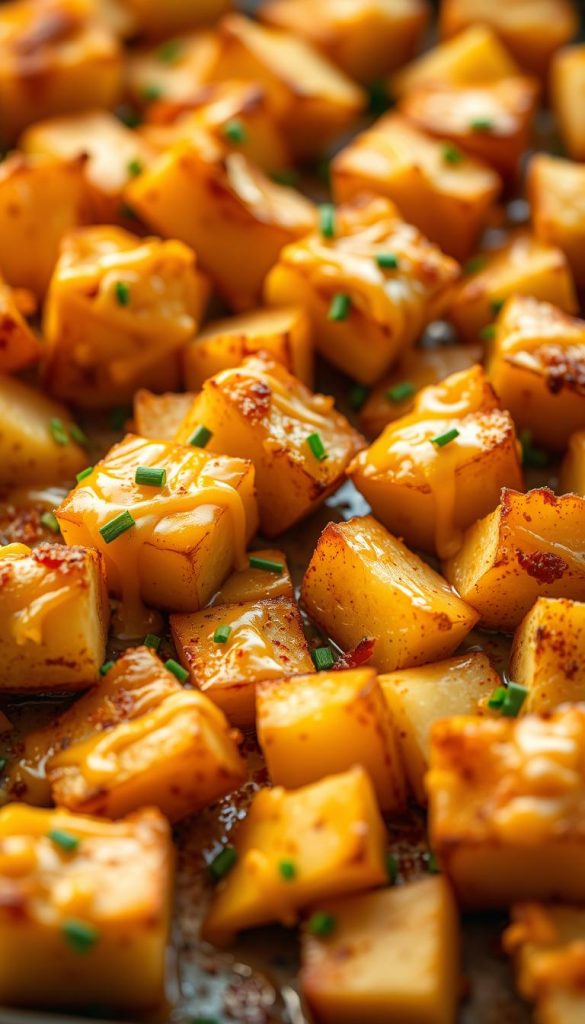
These ingredients come together beautifully to make a satisfying meal for any morning. Use these essential items and let your imagination guide your optional add-ins for a more flavorful experience.
Preparing the Potatoes
Potatoes are the heart of my cheesy potatoes breakfast recipe. It’s important to prepare them right for the perfect texture. I’ll share the best ways to cook potatoes and tips for crispy, delicious results.
The Best Way to Cook Potatoes
There are many great ways to cook potatoes, each adding a unique texture to your dish. Boiling is quick and makes them soft, great for mixing with cheese. Baking potatoes gives a fluffy inside and a crispy skin, perfect for comfort food.
For extra flavor, try roasting them with oil and seasonings. Each cooking method adds to the taste of your cheesy potato egg scramble.
Tips for Perfectly Crispy Potatoes
To get golden brown, crispy potatoes, pay close attention. Here are my top tips:
- Use a high temperature: High heat is key for crispiness.
- Don’t overcrowd the pan: Make sure each potato has space to cook well and avoid steaming.
- Precook briefly: Parboiling before frying or baking helps get the right texture.
- Season well: Salt, pepper, and herbs add flavor and enhance the comfort food feel.
By following these steps, your potatoes will be ready for the cheesy goodness that comes next. Enjoy making them as they make my breakfast recipe even better.
Whipping Up the Eggs
Making perfect scrambled eggs is key for a tasty homemade breakfast. My favorite methods always result in fluffy, flavorful eggs. These eggs are a must-have for my easy breakfast recipes. A few simple tips can make your scrambled eggs taste like they’re from a restaurant.
My Go-To Egg Preparation Techniques
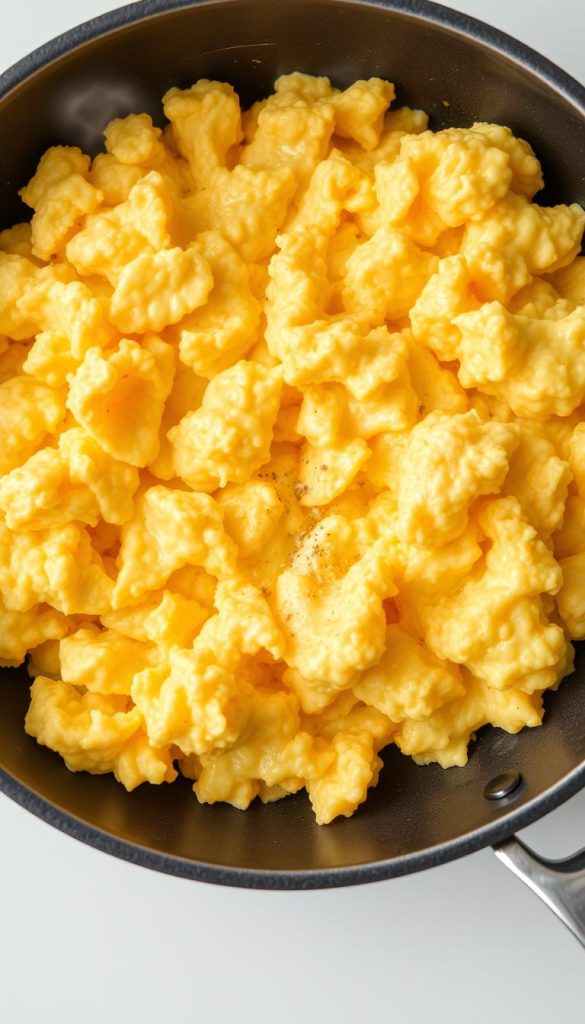
I always pick fresh eggs for the best taste and texture. I crack them into a bowl and whisk them gently. This mixes the yolks and whites well.
To make the eggs creamier, I add a bit of milk or cream. This not only boosts the flavor but also adds to the rich texture. It’s what makes a homemade breakfast special.
Secret to Fluffy Scrambled Eggs
Using low heat is my secret for fluffy eggs. Cooking them slowly helps them set without becoming tough. I stir the eggs gently to keep them airy.
If you like a bit of seasoning, a pinch of salt and pepper works wonders. These techniques ensure your scrambled eggs are a delicious treat. They pair perfectly with my cheesy potato egg scramble.
Combining Ingredients
Making a tasty Cheesy Potato Egg Scramble needs careful mixing. The order you mix matters for great taste and texture. Start with the cooked cheesy potatoes for a solid base. Then, add the scrambled eggs for that cheesy flavor in every bite.
The Right Order for Mixing
First, put the cooked cheesy potatoes in a big bowl. Make sure they’re warm. Then, mix in the scrambled eggs gently. This way, the potatoes and eggs blend well, making a perfect dish for brunch.
Cooking Tips for Even Flavor
Heat your pan well before cooking. This prevents sogginess and ensures even cooking. Use a non-stick skillet on medium heat for a golden crust. Stir carefully to mix well, but don’t overdo it. You want the potatoes to stay distinct in your dish.
Cheese Choices for Maximum Flavor
The right cheese can turn a simple breakfast into a feast. For my cheesy potatoes, I suggest a few cheeses that boost flavor and comfort. The perfect cheese adds richness and depth to your meal.
My Top Cheese Recommendations
- Cheddar: This classic cheese melts well and adds a sharp, tangy taste. It pairs perfectly with potatoes and eggs.
- Monterey Jack: Creamy and mild, Monterey Jack is a great base. It doesn’t overpower the other flavors.
- Pepper Jack: If you like a bit of heat, pepper jack adds a spicy kick. It balances well with the dish’s comforting elements.
Melting Cheese to Perfection
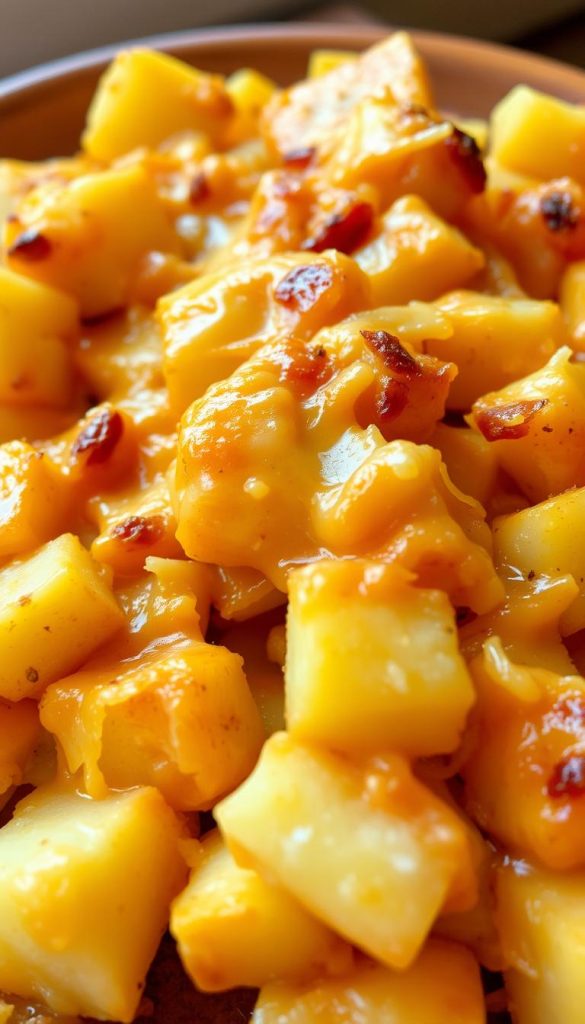
To get that gooey texture, follow these tips for melting cheese. Use shredded cheese for faster and even melting. Add it to your potatoes and eggs when they’re hot, so it melts well.
Cooking the Scramble
Choosing how to cook my Cheesy Potato Egg Scramble is key. I often debate between the stovetop and oven. Each method changes the dish’s texture and taste.
Stovetop vs. Oven: Which is Better?
Cooking on the stovetop is great for quick, fluffy scrambled eggs. It lets me control the heat and cooking time. This way, my eggs stay light and the potatoes stay crispy.
Oven baking is easier and lets me focus on other breakfast items. It cooks everything evenly but can make the scramble denser if not watched. My choice depends on time and mood.
How to Avoid Overcooking
It’s important to not overcook the scramble, no matter the method. I watch my eggs closely, stirring gently and removing them when almost done. This way, they cook perfectly without becoming tough. With practice, my scrambled eggs and potatoes stay delicious, making my breakfast better.
Serving Suggestions
Presenting my Cheesy Potato Egg Scramble in an appealing way makes the meal better. For a delightful family brunch, pair it with vibrant garnishes and sides. These add to the easy breakfast experience. Beautifully arranged plates make the dish look great and feel comforting.
Perfect Pairings for My Scramble
The right accompaniments can really enhance my scramble. Here are some perfect pairings:
- A light mixed salad with a lemon vinaigrette
- Toasted whole grain or sourdough bread
- Slices of creamy avocado topped with a sprinkle of salt
- Fresh fruit such as berries or sliced melons for a sweet contrast
Creative Ways to Serve It
Try these creative ideas for a unique twist:
- Garnish with fresh herbs like chives, parsley, or cilantro for a pop of color and flavor
- Serve the scramble in individual ramekins for a fun, personal touch
- Drizzle a spicy or herby sauce over the top to add an exciting zing
- Top with a dollop of sour cream or Greek yogurt for creaminess

These suggestions create a welcoming breakfast atmosphere. Each pairing and presentation makes my Cheesy Potato Egg Scramble stand out. It turns every bite into a delightful comfort food experience.
Storing Leftovers
Leftovers can make my busy days easier, thanks to delicious cheesy potatoes. Storing extra portions of my homemade breakfast means I have a quick and tasty meal ready during the week. Here are some tips to keep your breakfast recipe fresh and enjoyable even after a day or two in the fridge.
Best Practices for Refrigeration
To keep your cheesy potato egg scramble fresh, use proper storage techniques. I follow these simple guidelines:
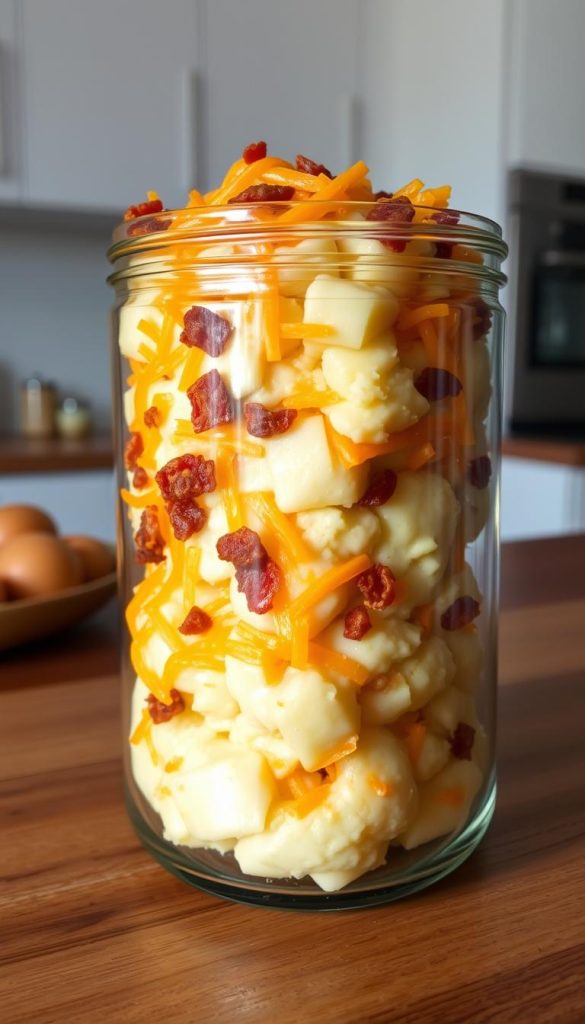
- Allow the dish to cool completely before refrigerating.
- Transfer the scramble to airtight containers to prevent moisture loss.
- Label containers with the date for easy tracking of freshness.
Reheating Tips for Optimal Taste
When reheating those tasty leftovers, gentle heat is key to prevent dryness. I prefer these methods:
- Microwave for short intervals, stirring frequently to heat evenly.
- Use a stovetop skillet over low heat, adding a splash of water or milk for moisture.
- Consider covering the dish while reheating to trap steam and enhance tenderness.
Final Thoughts on My Cheesy Potato Egg Scramble
Thinking about my Cheesy Potato Egg Scramble makes me happy. It’s a mix of crispy potatoes and fluffy eggs, perfect for breakfast. It’s more than just a meal; it’s a way to start the day right.
This dish is easy to make and full of flavor. It’s great for any day, whether you’re in a hurry or have time to relax. I think you’ll love it as much as I do.
I hope you’ll try making this and share your experience. Cooking together brings us closer. Let me know how your scramble turns out and any special touches you add. Happy cooking!