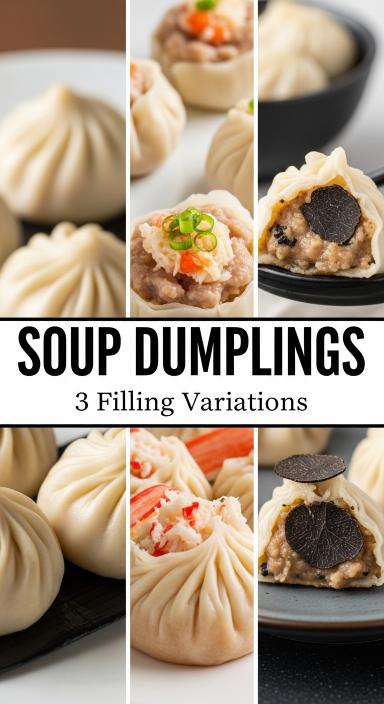
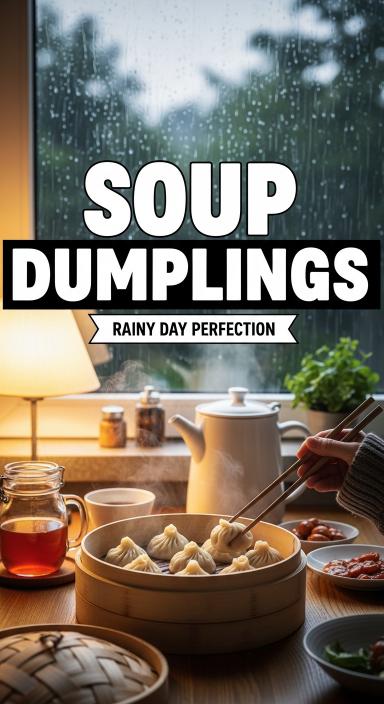
One chilly evening, I was thinking about my last visit to a bustling dim sum restaurant. I longed for those delightful, steaming soup dumplings. They burst with flavor in every bite. It wasn’t just the taste that stayed with me; it was the joy and laughter with my loved ones.
This made me want to make these homemade soup dumplings in my kitchen. In this guide, I’ll show you how to make your own authentic soup dumplings. It’s fun and easy, whether you’re new to cooking or have some experience. Get ready to wow your friends and family with these amazing treats!
Recipe Overview
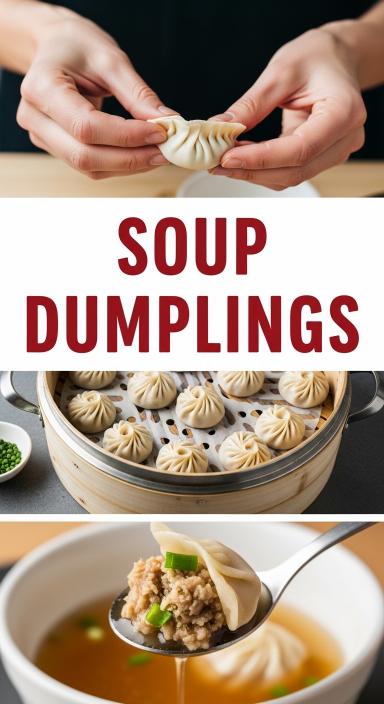
Soup Dumplings, also known as Xiao Long Bao, are delicate Chinese dumplings filled with seasoned pork and a rich gelatin-based broth that melts into soup when steamed. These dumplings feature thin wrappers that hold a flavorful filling and a burst of savory broth inside. Traditionally served with a ginger and vinegar dipping sauce, soup dumplings are a popular dish in Chinese cuisine and a favorite in dim sum restaurants.
Prep Time
1 hour
Cook Time
10 minutes
Total Time
1 hour 10 minutes
Servings
4 servings (about 24 dumplings)
Cuisine
Chinese
Difficulty
Medium to Advanced
Ingredients
For the Soup Gelatin
- 1 cup chicken broth
- 1 teaspoon soy sauce
- 1 teaspoon rice vinegar
- 1 teaspoon grated ginger
- 1 teaspoon unflavored gelatin powder
For the Dumpling Filling
- 8 ounces ground pork
- 2 tablespoons soy sauce
- 1 tablespoon sesame oil
- 1 tablespoon Shaoxing wine (or dry sherry)
- 1 teaspoon sugar
- 1 tablespoon grated ginger
- 2 green onions, finely chopped
- ¼ teaspoon white pepper
- Prepared soup gelatin, diced
For the Dumpling Wrappers
- 24 round dumpling wrappers
Dipping Sauce
- 3 tablespoons black vinegar
- 1 tablespoon soy sauce
- 1 teaspoon fresh ginger, julienned
Equipment Needed
Kitchen Tools
- Mixing bowls
- Steamer basket
- Rolling pin (if making wrappers from scratch)
- Parchment paper or cabbage leaves
- Small spoon
- Knife
Instructions
Step 1: Prepare the Soup Gelatin
In a small saucepan heat the chicken broth until warm but not boiling. Stir in soy sauce, rice vinegar, and grated ginger.
Sprinkle the gelatin powder over the broth and stir until completely dissolved.
Pour the mixture into a shallow container and refrigerate for about 1 hour until firm. Once set, cut the gelatin into small cubes.
Step 2: Prepare the Filling
In a mixing bowl combine the ground pork, soy sauce, sesame oil, Shaoxing wine, sugar, grated ginger, green onions, and white pepper.
Mix thoroughly until the filling becomes sticky and well combined.
Gently fold the diced soup gelatin into the pork mixture.
Step 3: Fill the Dumplings
Place a dumpling wrapper in the palm of your hand. Add about 1 tablespoon of filling to the center.
Carefully fold and pleat the edges of the wrapper, pinching them together at the top to seal the dumpling.
Repeat with the remaining wrappers and filling.
Step 4: Prepare the Steamer
Line a bamboo or metal steamer basket with parchment paper or cabbage leaves to prevent sticking.
Place the dumplings inside the steamer, leaving space between them.
Step 5: Steam the Dumplings
Bring a pot of water to a boil and place the steamer over the pot.
Steam the dumplings for 8–10 minutes, until the wrappers are tender and the filling is fully cooked.
Step 6: Prepare the Dipping Sauce
In a small bowl combine the black vinegar, soy sauce, and julienned ginger.
Step 7: Serve
Carefully remove the dumplings from the steamer and serve immediately with the dipping sauce.
Serving Suggestions
Best Ways to Serve
Soup dumplings should be served hot and eaten carefully to enjoy the flavorful broth inside.
Traditional Serving Style
Serve with black vinegar and fresh ginger to complement the rich filling.
Key Takeaways
- Learn how to make authentic soup dumplings from scratch.
- Discover essential ingredients for perfect homemade soup dumplings.
- Explore various cooking methods, including steaming and more.
- Enjoy tips for assembly and shaping dumplings effectively.
- Find solutions to common issues while making soup dumplings.
Introduction to Soup Dumplings
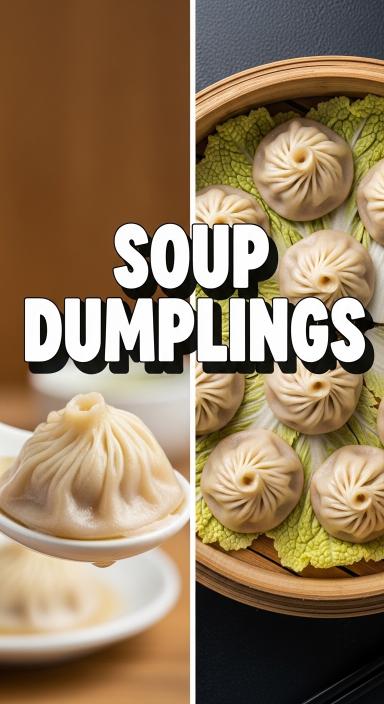
Soup dumplings, also known as xiaolongbao, are a delightful treat. They have a delicate wrapper filled with savory broth and meat, like pork or crab. When you bite into them, the juicy filling bursts out.
These dumplings are special because they hold both filling and broth inside. This makes them a favorite in many food circles.
What Are Soup Dumplings?
Chinese soup dumplings are more than just a dish; they’re an experience. Their thin, translucent skin holds a rich broth and flavorful fillings. The way chefs fold and prepare the dough is a testament to their skill and tradition.
The mix of flavors and textures makes soup dumplings a hit with food lovers.
A Brief History of Soup Dumplings
The history of soup dumplings starts in the Jiangnan region of China, mainly in Shanghai. They were first made as a simple food but soon became popular for their broth and meat mix. Over time, they became a key part of Chinese cuisine.
People admire them not just for their taste but also for the art of making them. Their cultural importance keeps growing, making them a beloved dish in both old and new cooking styles.
Essential Ingredients for Soup Dumplings
Making delicious soup dumplings needs the right ingredients. This part talks about the dough, filling, and broth that make the dish special.
Preparing the Dough
The dough is the first step in making soup dumplings. Using all-purpose flour gives the dough the right mix of softness and stretchiness. I mix the flour with hot water and let it rest for 30 minutes.
This resting time is important for making the dough smooth and easy to work with. You can try using bread flour for a chewier texture.
Choosing the Right Filling
The filling is where the flavors come alive. I use finely minced pork as the main ingredient. Adding ginger, garlic, and scallions gives it a boost of taste.
Seasoning is crucial. Use soy sauce, sesame oil, and white pepper to get the flavors right. Each bite should be full of taste, matching the dumpling’s softness.
Broth Essentials
The broth is what makes soup dumplings special. I simmer pork bones with ginger and scallions for hours. Then, I cool it down, strain it, and chill it.
This makes the fat solidify. When the broth meets the filling, it melts, filling the dumpling with soup.
Tools Needed to Make Soup Dumplings
To make perfect soup dumplings, the right tools are key. Having the right kitchen utensils makes the process smoother. Whether I’m new or experienced, the right equipment leads to great results.
Steamer Options
I always choose a bamboo steamer for soup dumplings. It steams evenly and keeps the wrappers soft. Bamboo’s pores let steam flow freely, ensuring dumplings are always perfect.
But I also look at metal or silicone steamers. Each has its benefits. Yet, bamboo’s classic appeal wins my heart.
Kitchen Utensils
Essential kitchen tools are crucial for making dumplings. A strong rolling pin helps me get the wrapper’s thickness right. A dough cutter makes dividing the dough easy.
Measuring spoons are vital for the right mix. A small brush helps seal the dumplings, keeping them tight. With these tools, I’m ready for any soup dumpling adventure.
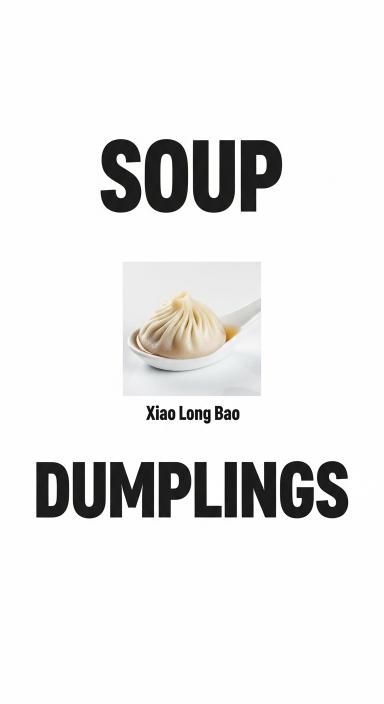
Step-by-Step Guide to Making the Dough
Making the perfect dough for soup dumplings is key to a great meal. I’ll guide you through mixing, kneading, and resting the dough. This ensures a tender dough that’s irresistible.
Mixing and Kneading the Dough
First, mix all-purpose flour with water. The best ratio is usually two parts flour to one part water. Then, knead the mix for about 10 minutes. This makes the dough stretchy and elastic.
Resting the Dough
After kneading, let the dough rest. Wrap it in plastic wrap and wait at least 30 minutes. This step relaxes the dough, making it easier to roll out. The result is a tender dough that won’t tear when filled.
| Step | Description |
|---|---|
| Mixing | Combine flour and water in a ratio of approximately 2:1. |
| Kneading | Knead the dough for about 10 minutes until smooth and elastic. |
| Resting | Wrap the dough in plastic and let it rest for at least 30 minutes. |
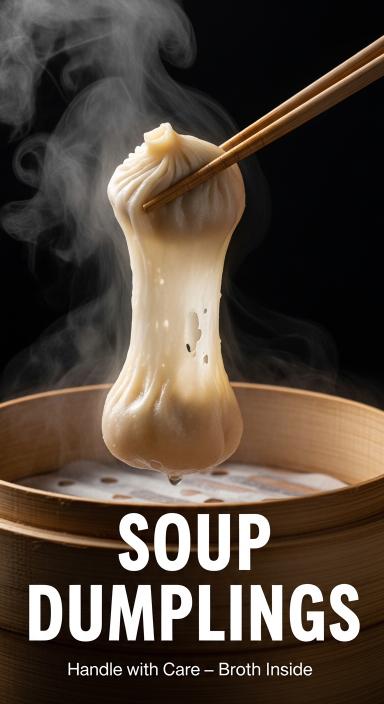
Filling Preparation Techniques
Preparing the filling and broth is key for perfect pork soup dumplings. I enjoy focusing on these steps, as they greatly affect the taste and texture. Here, I’ll guide you through making the pork filling and the gelatinous broth that makes the dumplings special.
Making the Pork Filling
For the filling, mix fatty pork cuts like shoulder and belly. This keeps the filling juicy and tasty. Here’s how I make it:
- Start by finely chopping the pork and adding spices like ginger, garlic, and soy sauce.
- Mix in some scallions for a refreshing crunch and extra flavor.
- Using my hands, I knead the mixture to achieve a well-blended consistency, ensuring that the seasonings are evenly distributed.
Creating the Gelatinous Broth
Next, I focus on making the broth for dumplings. This broth is the heart of each dumpling, adding to the savory soup that bursts out when bitten into. Here’s how I do it:
- Begin by simmering pig bones and skin in a pot filled with water for several hours.
- Add aromatics like ginger, scallion, and star anise to infuse the broth with rich flavors.
- Skim off any impurities that rise to the surface during simmering to yield a clear broth.
- After cooking, strain the broth and refrigerate it until it cools and sets into a gelatinous consistency.
- Once set, the gelatin will melt during cooking, releasing its flavor into the dumplings.
This method ensures each bite of my pork soup dumplings is unforgettable and full of flavor. Enjoy the process as you improve your filling preparation skills!
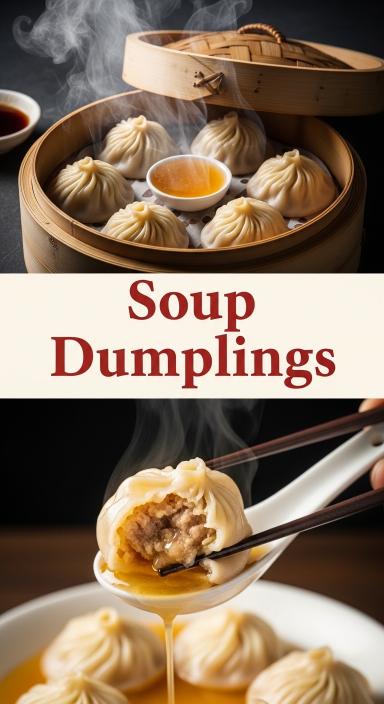
Assembling Soup Dumplings
Making soup dumplings is an art that needs both skill and creativity. It’s important to learn how to fold them right to keep the filling and broth inside. You should also be careful not to put too much filling, as it can make the dumpling fall apart.
I’ll share some tips on how to shape your dumplings. This will help them look good and work well.
Proper Folding Techniques
First, you need to learn how to fold soup dumplings. Here are the basic steps:
- Place your dough wrapper on a clean surface.
- Put a small amount of filling in the center.
- Pinch the edges together, leaving space for the broth.
- Fold the edges inwards to create pleats, keeping the seal tight.
- Twist the top to secure it.
These steps help you assemble the dumplings efficiently. They also give them a beautiful, pleated look.
Tips for Shaping
Here are some tips to improve your dumpling shaping:
- Practice often to get better.
- Use flour on your surface to prevent sticking.
- Keep your dough covered to keep it moist.
- Try different designs, from simple to complex.
- Remember, each dumpling is unique, so don’t worry about perfection.
With these tips, you’ll soon be making amazing soup dumplings. They’ll impress everyone you share them with.
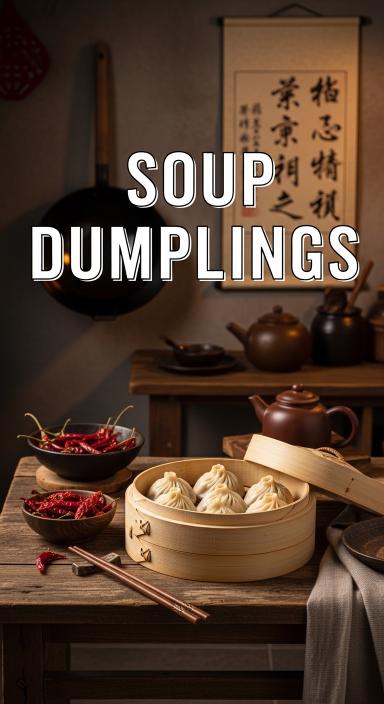
Cooking Methods for Soup Dumplings
Choosing the right method to cook soup dumplings is key. Steaming is great for keeping them juicy and the dough tender. You can use a bamboo steamer for an authentic feel. Or, try other methods for different tastes and textures.
Steaming in a Bamboo Steamer
Steaming dumplings in a bamboo steamer is a classic way. It cooks them evenly and keeps them moist. Here’s how to do it:
- Prepare your bamboo steamer by lining it with cabbage leaves or parchment paper to prevent sticking.
- Place the dumplings inside, ensuring they have enough space to expand.
- Set the steamer over a pot of simmering water, cover, and steam for about 8-10 minutes.
This method keeps the dumplings moist and adds a touch of bamboo flavor. I find that my soup dumplings are always perfectly steamed, making each bite a joy.
Alternative Cooking Methods
If you don’t have a bamboo steamer, don’t worry. You can still cook delicious dumplings with other methods. Here are a couple:
- Stovetop Steaming: Use a large pot with a lid. Place a steaming rack inside and follow a similar setup as the bamboo steamer.
- Pan-Frying: This method gives a crispy bottom. Heat some oil in a non-stick pan, place the dumplings, and add a splash of water. Cover and steam until the water evaporates and the bottoms are golden brown.
These methods show you how to cook soup dumplings in different ways. Each method gives unique textures and flavors. Trying them out has helped me find my favorites and enjoy the cooking process.
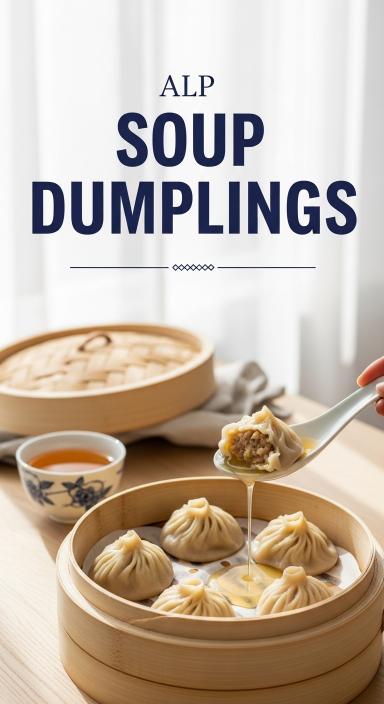
Serving Suggestions for Soup Dumplings
Serving soup dumplings can make your meal more enjoyable. Dipping sauces add flavor, while side dishes round out the meal. Here are some tasty suggestions to enjoy your soup dumplings.
Dipping Sauces
Choosing the right dipping sauce is important. A mix of soy sauce, rice vinegar, and ginger is a classic choice. Adding garlic or chili oil can give it a kick. This mix complements the dumplings’ broth and lets you customize.
Other sauces like sweet soy or sesame can offer new flavors. They’re great for those looking to try something different.
Pairing with Side Dishes
Choosing the right side dishes can elevate your meal. Pickled vegetables add a tangy crunch that balances the dumplings’ richness. Stir-fried greens like bok choy add freshness.
Light soups or refreshing salads can also cleanse your palate. They’re perfect between bites.
| Dipping Sauce | Flavor Profile | Suggested Pairing |
|---|---|---|
| Soy Sauce and Rice Vinegar | Salty and Tangy | Pickled Vegetables |
| Chili Oil and Soy Sauce | Spicy and Savory | Stir-Fried Greens |
| Sweet Soy Sauce | Sweet and Rich | Cucumber Salad |
Troubleshooting Common Issues
When making soup dumplings, I often run into common problems. These include sticky dough and filling that leaks during cooking. Luckily, fixing these issues is easy with a few tips.
Dough Too Sticky?
Sticky dough is a common issue I face. It usually happens when the flour-to-water ratio is off. Here’s how to fix it:
- Check your flour and water mix. Add more flour slowly until it’s smooth.
- Knead the dough well to strengthen it. This improves its texture.
- Let the dough rest. This can make it less sticky and easier to handle.
By following these steps, I get much better results.
Filling Leaking During Cooking
Leaking filling is another problem I’ve faced. It can make a mess and affect the flavor. Here’s how to avoid it:
- Make sure the filling is well-sealed in the dough. Pinch the edges tightly when you assemble.
- Use cold broth for the filling. This helps prevent leaks when the dumplings cook.
- Work on your wrapping skills. Better wrapping means fewer leaks.
With these tips, I’m confident in making perfect soup dumplings every time.
Nutritional Information for Soup Dumplings
Understanding the nutritional value of soup dumplings helps me enjoy them wisely. These tasty dumplings, filled with savory broth and tender meat, have their own calorie count. I often wonder how they fit into my meal plan.
Caloric Breakdown
The calorie count of soup dumplings varies based on ingredients and cooking methods. Here’s a basic breakdown:
| Ingredient | Calories per Serving | Protein (g) | Carbohydrates (g) | Fat (g) |
|---|---|---|---|---|
| Pork Soup Dumplings | 150 | 6 | 20 | 6 |
| Chicken Soup Dumplings | 120 | 12 | 15 | 3 |
| Vegetarian Soup Dumplings | 100 | 4 | 18 | 2 |
Healthier Ingredient Substitutions
For healthier soup dumplings, try these simple swaps:
- Use lean ground turkey instead of pork for a lower fat option.
- Opt for whole-grain flour instead of white flour to increase fiber content.
- Incorporate more vegetables into the filling to boost nutrition.
Conclusion and Final Tips
As I wrap up this culinary journey into making soup dumplings, it’s time to reflect on the key tips for making perfect soup dumplings. Mastering the dough and achieving the ideal broth are foundational steps. But don’t forget the importance of practice and patience.
The more I work on my technique, the better my dumplings become. I’m excited for you to experience the same transformation. It’s a journey that brings joy and skill together.
Don’t hesitate to embrace your creativity while experimenting with dumpling recipes. Feel free to switch up the fillings or add your favorite spices. Whether it’s savory pork or a fresh vegetable medley, the possibilities are endless.
This culinary adventure is about having fun and expressing yourself through food. It’s a chance to explore new flavors and textures.
Ultimately, perfecting soup dumplings is a rewarding endeavor that combines skill with creativity. So, gather your ingredients, roll up your sleeves, and let your imagination take flight. I’m excited for you to dive into this world of flavors and textures, making each dumpling not just a meal, but a delightful experience.